It’s hard to keep up with the twists in the Russia-Ukraine conflict these days. Just when peace talks seem to be gaining a bit of traction, something explosive comes along—literally, in this case. Late last year, as 2025 drew to a close, Russia accused Ukraine of launching a massive drone assault on one of President Vladimir Putin’s personal residences. The EU’s top diplomat, Kaja Kallas, didn’t mince words: she called it a “deliberate distraction” meant to sabotage diplomatic progress. As someone who’s followed this war closely for years, I’ve seen this pattern before—allegations flying back and forth like shrapnel. But let’s unpack what really happened here and why it matters so much right now.
The Russian Allegation: What Moscow Claimed
Russia’s Defense Ministry went public with serious accusations toward the end of December 2025.
Moscow stated that Ukrainian forces had attempted to strike Putin’s private residence on Lake Valdai in the Novgorod region using dozens of drones. They claimed air defenses shot down over 90 UAVs launched from Ukraine’s Sumy and Chernihiv regions. To back it up, they released a map showing supposed flight paths and a video of a downed drone in snowy woods, with a serviceman identifying it as a Ukrainian-made Chaklun model.
The timing raised eyebrows immediately. This came right after positive signals from U.S.-led efforts to broker peace, including a meeting between President Trump and Ukrainian leader Volodymyr Zelenskyy.
Kaja Kallas’s Swift Rejection
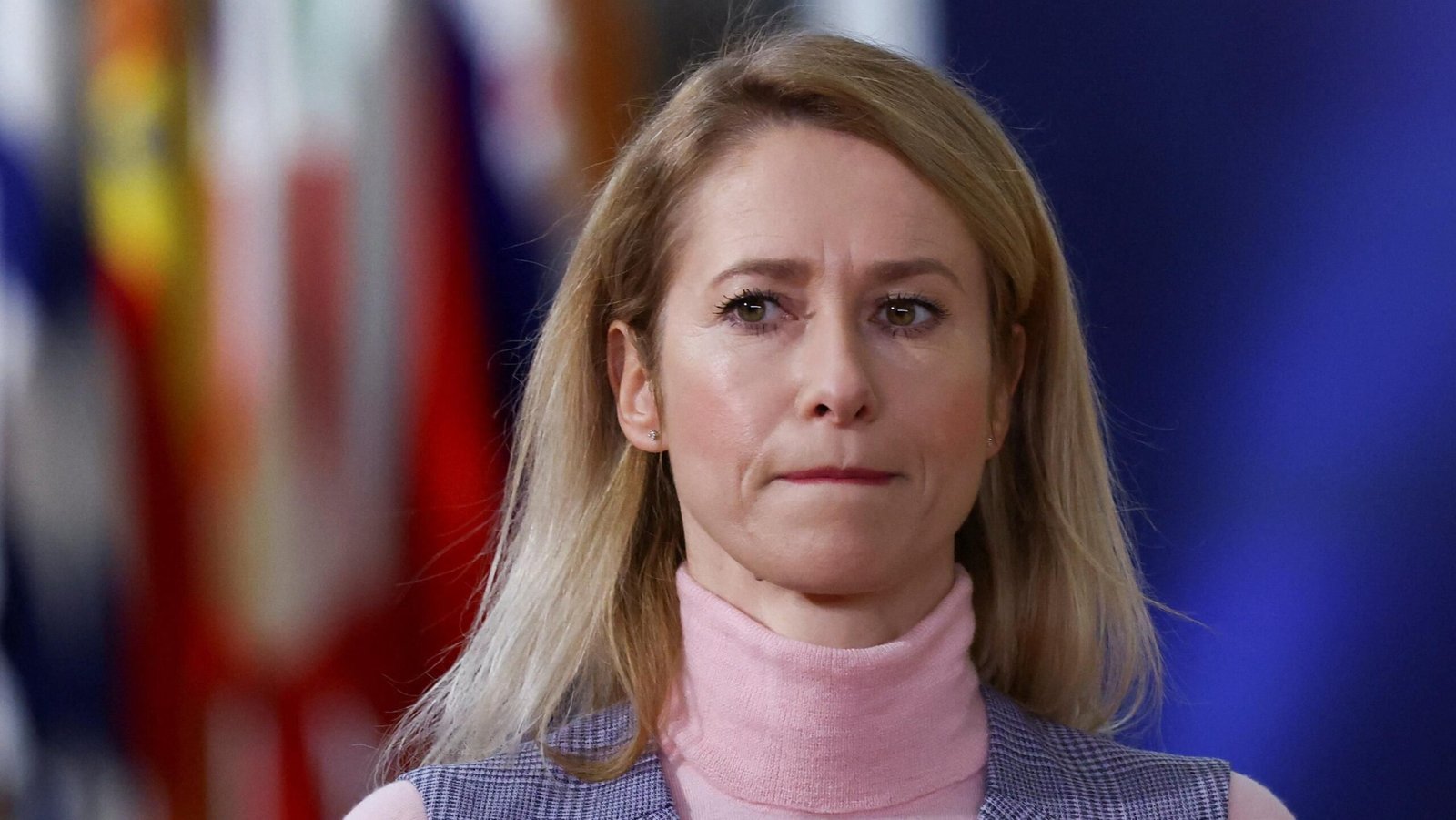
Kaja Kallas, the EU’s High Representative for Foreign Affairs and Security Policy, wasted no time responding.
On social media, she labeled the claims a deliberate attempt by Moscow to derail ongoing peace initiatives. “No one should accept unfounded claims from the aggressor who has indiscriminately targeted Ukraine’s infrastructure and civilians since the start of the war,” she wrote. Her statement aligned perfectly with Ukraine’s denial, calling the whole story a fabrication designed to justify further escalation.
Kallas, a former Estonian prime minister with a no-nonsense reputation on Russian aggression, brought credibility to the EU’s stance. Coming from a Baltic state that’s long warned about Kremlin tactics, her words carried weight.
Ukraine’s Response and Broader Denials
President Zelenskyy was equally dismissive, describing the allegation as “typical Russian lies” aimed at undermining diplomatic gains.
Kyiv circulated a briefing to EU delegations arguing it was a false flag operation by Russia itself. They pointed out the coordinated messaging from Russian officials as evidence of scripting. Independent verification efforts found holes too—the drone parts shown are common and cheaply available online, making attribution shaky. Local residents reportedly heard nothing unusual, despite claims of nearly 100 drones being downed.
Even U.S. officials reportedly found no evidence supporting Russia’s version, with some skepticism creeping into initial reactions from Washington.
Key Reactions Compared
| Party | Stance | Key Quote/Reason |
|---|---|---|
| Russia | Accusation of attempted assassination | “Drones targeted presidential residence; reviewing peace position” |
| Ukraine | Full denial | “Complete fabrication to justify attacks on Kyiv” |
| EU (Kallas) | Rejection as distraction | “Deliberate distraction; unfounded claims from aggressor” |
| U.S. (initial) | Mixed, later skeptical | Trump shared editorial questioning Russian narrative |
Why This Matters: The Bigger Picture in the Russia-Ukraine War
This incident didn’t happen in a vacuum. As we entered 2026, peace negotiations were showing rare promise, with U.S. involvement pushing for a deal.
Russia has a history of using high-profile claims to shift narratives or justify escalations. Remember how disinformation campaigns have played out before? It’s almost comical how predictable it can feel sometimes—like that time in 2022 when early cyber threats loomed large but didn’t materialize as expected. Yet here, the stakes are sky-high: derailing talks could prolong a war that’s already claimed countless lives and displaced millions.
On the flip side, Ukraine’s long-range drone capabilities have grown, targeting Russian military assets effectively. But hitting a leader’s personal home? That would cross a major red line, potentially inviting massive retaliation. It just doesn’t add up strategically for Kyiv right now.
Pros and Cons of Believing Russia’s Claims
- Pros (Russian perspective): Provides pretext for tougher stance in talks; rallies domestic support by portraying Putin as targeted.
- Cons: Evidence is circumstantial and unverifiable; risks alienating neutral parties if proven false; contradicts independent reports of no unusual activity.
- Pros (Western/Ukrainian view): Highlights Russian disinformation patterns; strengthens unity in supporting Ukraine.
- Cons: If wrong, could undermine credibility; ongoing war means constant vigilance needed.
Historical Context: Patterns of Disinformation in the Conflict
I’ve been reading about this war since day one, and one thing stands out: information warfare is as fierce as the battlefield.
Russia has repeatedly used unverified claims to justify actions—from early denials of troop buildups to allegations of bioweapons labs. Ukraine and the West counter with fact-checks and intelligence sharing. This drone story fits neatly into that playbook, especially amid renewed diplomatic pushes.
Think about it emotionally for a moment: families in Ukraine are still enduring blackouts and attacks as winter bites. Claims like this distract from that reality, shifting focus to hypothetical threats against Russian leaders.
Implications for Peace Talks in 2026
With talks ongoing, this episode tested alliances.
The EU’s firm backing of Ukraine, echoed by Kallas, signals no wavering in support despite negotiation pressures. It also underscores the need for verifiable facts in any deal. If baseless accusations can sway positions, lasting peace becomes elusive.
Looking ahead, expect more such flare-ups. But incidents like this often backfire, reminding the world who’s the aggressor in this nearly four-year conflict.
Timeline of the Incident
- Late December 2025: Russia alleges drone attack on Putin’s Valdai residence.
- December 30-31: Defense Ministry releases “evidence” (map, video).
- December 31: Kallas and Zelenskyy reject claims publicly.
- Early January 2026: Skepticism grows; talks continue amid heightened alerts.
People Also Ask
Here are some common questions popping up around this topic, based on current searches:
What did Russia claim about the Ukrainian drone attack? Russia alleged Ukraine launched over 90 drones at Putin’s Lake Valdai residence in late December 2025, claiming all were intercepted.
Who is Kaja Kallas and why does her opinion matter? Kallas is the EU’s High Representative for Foreign Affairs, a key voice on European security. Her Estonian background gives her insight into Russian tactics.
Is there evidence Ukraine attacked Putin’s residence? No independent verification supports Russia’s claims. Drone parts are generic, and locals reported no disturbances.
How has this affected Russia-Ukraine peace talks? It created tension but hasn’t derailed U.S.-led efforts, with both sides pushing forward into 2026.
Has Russia used similar disinformation before? Yes, patterns include false flag claims and unverified allegations to justify escalations throughout the war.
FAQ
What is the EU’s official position on the alleged attack? The EU, via Kaja Kallas, views it as unfounded and a distraction from peace progress.
Why is Putin’s Valdai residence significant? It’s one of his private homes, symbolizing a personal threat if targeted—though no damage was reported.
How did Ukraine prove it wasn’t involved? Through briefings highlighting inconsistencies and arguing it’s a Russian setup to sabotage diplomacy.
Could this lead to escalation in the war? Possibly, as Russia threatened to review its negotiating stance, but cooler heads have prevailed so far.
Where can I find reliable sources on this? Check outlets like BBC, Reuters, or official EU statements for balanced reporting.
In the end, stories like this remind us how fragile progress can be in conflicts this deep. I’ve talked to friends in Europe who lived through Cold War tensions, and they say it feels eerily similar—propaganda, denials, and the constant threat of miscalculation. Yet hope persists because voices like Kallas’s keep pushing for truth and accountability. As we move further into 2026, let’s hope facts win out over fabrications. What do you think—will this be the year peace finally sticks?