
Imagine two babies born on the same day in the UK, just a few miles apart. One grows up with easy access to high-quality nurseries, green parks for play, and parents who can afford extended time at home. The other faces long waiting lists for childcare, limited outdoor spaces, and parents rushing back to work on statutory pay alone. It’s not fiction—it’s the reality of what experts call the “postcode lottery” in parenting support. As a parent myself, I’ve seen friends struggle differently based on their location, and it hits home how unfair it feels.
This uneven landscape affects everything from parental leave to childcare availability and early health services. It doesn’t just stress families; it influences young children’s development in profound ways. Recent investigations, like the BBC’s ongoing study following families across Britain, highlight how these disparities quietly shape futures from the very start.
What Is the Postcode Lottery in Parenting?
The term “postcode lottery” describes how access to essential parenting resources varies wildly depending on where you live in the UK.
It’s not about chance like buying a ticket—it’s systemic differences in funding, provision, and policy implementation across regions and local authorities. For young children, this means unequal starts in life, from bonding time with parents to stimulating early experiences.
Experts like Professor Chris Pascal from the Centre for Research in Early Childhood argue that these gaps turn child-rearing into a gamble based on geography rather than need.
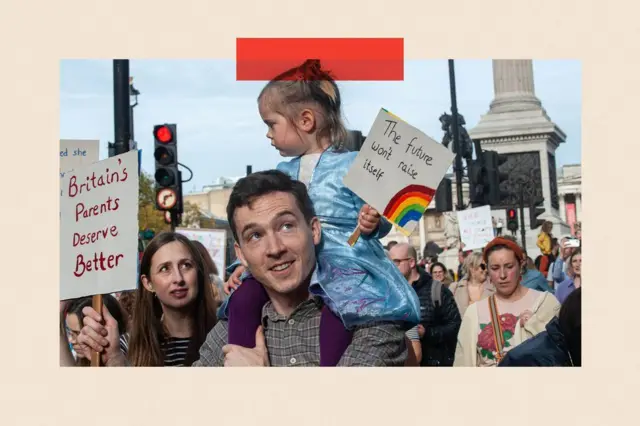
These images from recent reports capture the essence: families navigating nurseries and early support, where availability can feel worlds apart.
Parental Leave: Employer Generosity or Statutory Minimum?
One of the starkest divides hits right after birth: how much paid time parents get.
Statutory maternity pay covers 39 weeks, but at low rates after the first six. Paternity leave is just two weeks, among the least generous in Europe. Many rely on employer-enhanced schemes, which vary hugely.
In the BBC’s study, families shared stories—one with full pay for months, another scraping by on minimums. This affects bonding, mental health, and even breastfeeding rates.
Without decent leave, stress rises, impacting sensitive parenting crucial for secure attachments.
Childcare Deserts vs. Oases: The Availability Gap
Childcare is perhaps the biggest battleground.
England’s expanded 30-hour free offer for working parents from nine months sounds great, but places aren’t guaranteed. Ofsted reports label areas like Walsall a “childcare desert” with only 13.5 places per 100 children, versus “oases” like Richmond-upon-Thames at 39.8.
Private providers cluster in affluent spots for profit, leaving deprived areas short. Even within the same city, quality fluctuates based on staff training.
Parents in underserved postcodes juggle unreliable care or reduce work hours, perpetuating cycles of disadvantage.
Here’s a quick comparison:
| Area Example | Childcare Places per 100 Children | Typical Experience |
|---|---|---|
| Walsall (Desert) | 13.5 | Long waits, limited options |
| Richmond-upon-Thames (Oasis) | 39.8 | More choice, higher quality |
How These Inequalities Affect Young Children’s Development
The early years are brain-building time—90% of development happens before age five.
Quality interactions, play, and stimulation wire neural pathways. Unequal support means gaps emerge early.
Children in well-resourced areas often hit milestones faster: better vocabulary, social skills, and readiness for school. In contrast, limited access leads to delays in communication or emotional regulation.
Research shows high-quality early education narrows gaps, but postcode barriers widen them. Stress from parental juggling affects home environments too—less relaxed play, more tension.


These contrasting scenes of play highlight the difference: joyful outdoor exploration versus restricted opportunities.
Long-term? Poorer starts link to lower achievement, health issues, and reduced social mobility. As Prof Pascal puts it, play is “the stuff of life” for cognitive growth.
Real Stories from Families Across the UK
I remember a friend in a northern town waiting months for a nursery spot while working shifts—exhausting. Another in London had choices galore.
The BBC followed six families: a nurse worrying about return-to-work childcare, an electrician on minimal paternity leave. One highlighted green space access varying, with some families far from parks.
These aren’t extremes; they’re common. In deprived areas, parents often exclude from funded hours due to income rules, hitting vulnerable hardest.
Broader Factors: Health Services and Community Support
It’s not just leave and childcare.
Health visitor checks, speech therapy, or mental health support vary regionally. Some areas excel in family hubs; others lag.
Green spaces for play differ too—fewer than three-quarters of families in some spots within walking distance of parks.
Deprivation compounds this: higher child poverty in West Midlands (36%) versus lower rates elsewhere correlates with poorer outcomes.
Pros and Cons of Current Policies
Government efforts like expanded free hours aim to help, but implementation reveals flaws.
Pros:
- Potential savings up to £7,500 yearly for eligible families.
- Focus on working parents boosts employment.
- Investments in SEND places reduce some specialist gaps.
Cons:
- Excludes non-working or retraining parents, widening vulnerability.
- No guarantee of places, creating deserts.
- Employer-dependent leave favors certain jobs.
Regional Variations at a Glance
Statistics show clear divides:
- Infant mortality higher in West Midlands (5.9 per 1,000) vs. South West (2.9).
- Child development at 2.5 years: 78% good level in West Midlands vs. 85.6% in Yorkshire and Humber.
- Poverty drives much: over 30% children in relative poverty nationally, higher in north and midlands.
For more data, see the GOV.UK child development profiles.
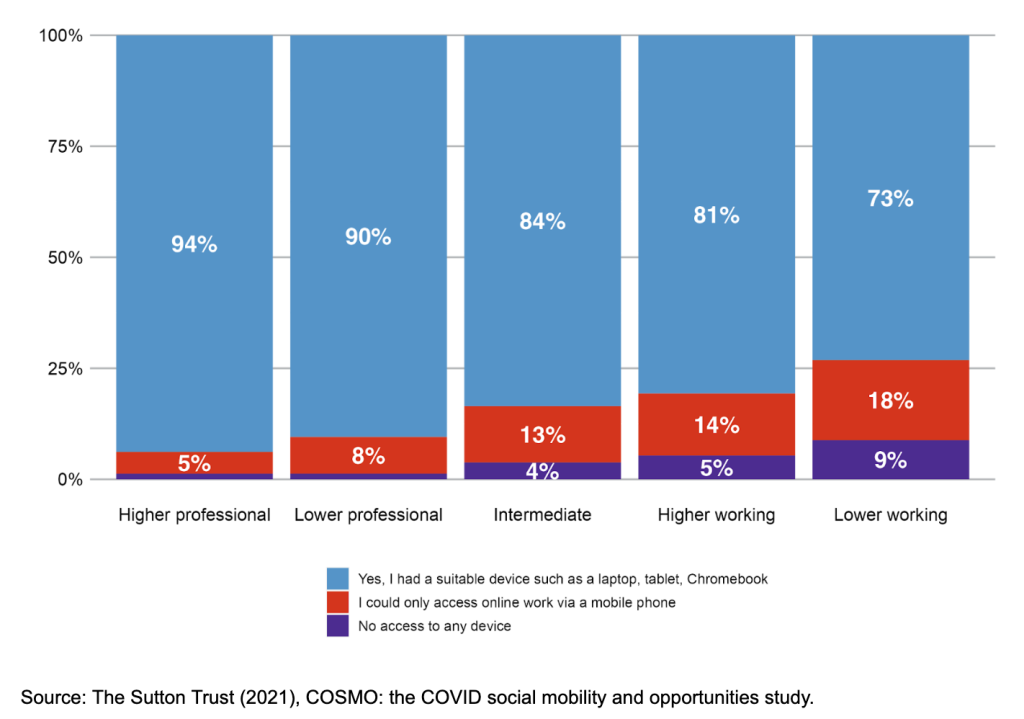
socialmobility.independent-commission.uk
Maps like these from social mobility reports illustrate socioeconomic divides influencing early years.
People Also Ask
What causes the postcode lottery in UK childcare? Local funding, private provider incentives, and eligibility rules create uneven distribution, favoring affluent areas.
How does location affect parental leave in the UK? Directly no, but employer policies (more generous in certain sectors/regions) amplify statutory minimums.
Are there childcare deserts in the UK? Yes, areas like parts of the West Midlands have far fewer places than demand.
What impact does unequal early years support have on children? Delays in development, wider achievement gaps, and long-term health/social issues.
How can parents find local childcare support? Check your local authority’s family information service or sites like Childcare.gov.uk.
FAQ
Is the postcode lottery getting better or worse? Mixed—expansions help some, but deserts persist and quality varies. Recent reports show ongoing stark gaps.
Does Scotland or Wales have similar issues? Less pronounced in some aspects (e.g., Scotland’s baby box), but regional inequalities exist UK-wide.
What are the best resources for struggling parents? Local family hubs, Citizens Advice, or charities like Save the Children. For funded hours, use the government’s eligibility checker.
Can moving postcode really change outcomes? Potentially yes for access, but affordability and jobs complicate it.
What’s being done to fix this? Investments in places and calls for universal provision, but experts push for rethinking early years as a societal responsibility.
Toward a Fairer Start for Every Child
No parent should feel their child’s future hinges on a postcode. These inequalities aren’t inevitable—they stem from policy choices and funding priorities.
A friend once joked that parenting feels like a lottery anyway—sleepless nights, surprise milestones—but the support shouldn’t be random. By investing universally in leave, childcare, and community resources, we can level the field.
For more, read the full BBC investigation or government stats. Every child deserves the best shot, wherever they’re born.