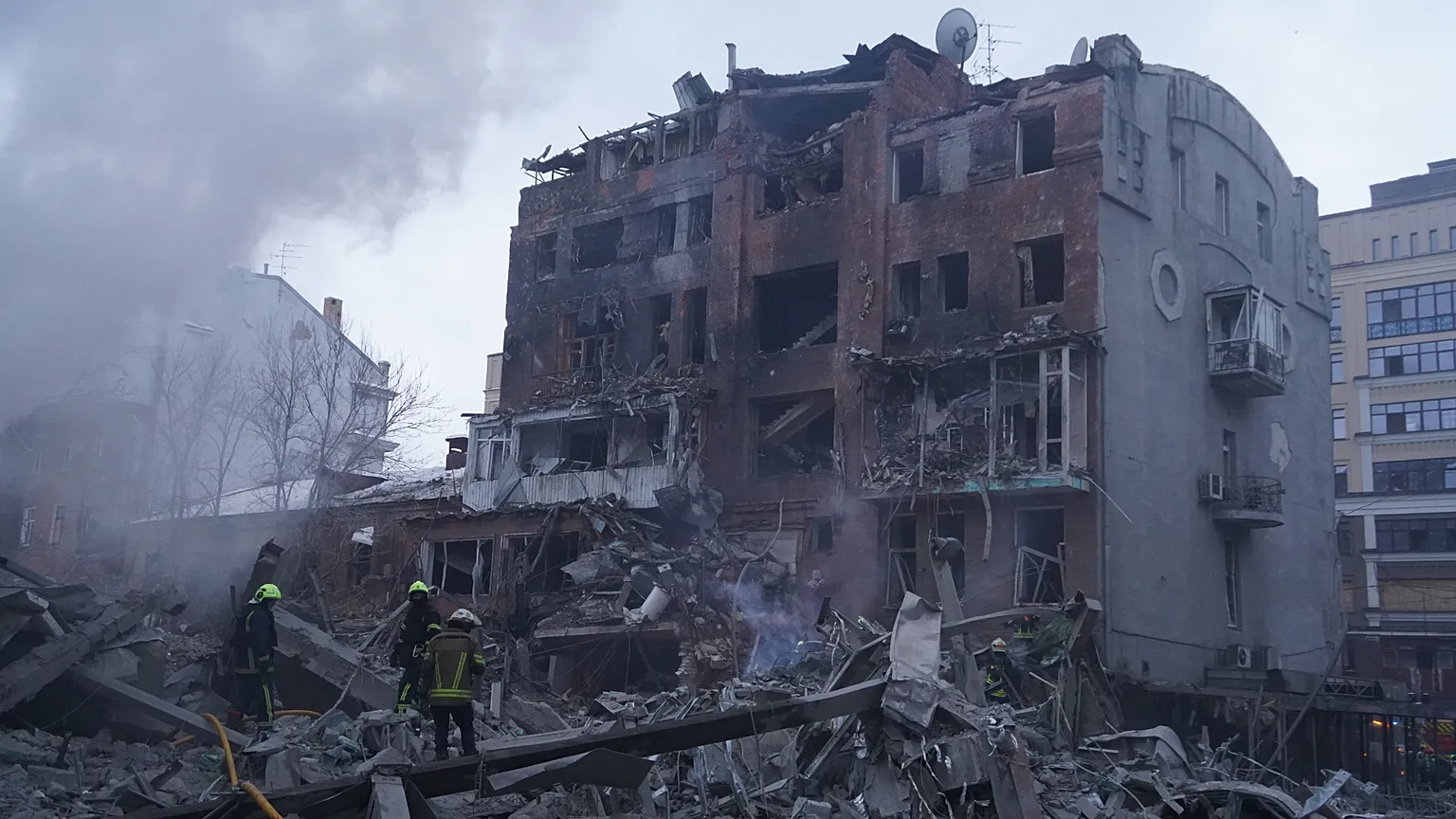
On January 2, 2026, the people of Kharkiv woke to what should have been an ordinary Friday afternoon. Instead, two ballistic missiles slammed into a residential neighborhood in the city’s central Kyivskyi district, reducing a multi-storey apartment building to rubble and claiming innocent lives in an instant.
Ukrainian authorities confirmed that the attack killed a three-year-old boy and a woman—preliminarily identified as his mother—while injuring at least 31 others, including a six-month-old infant. President Volodymyr Zelensky called the strike “heinous,” highlighting how it targeted a purely civilian area with no military justification.

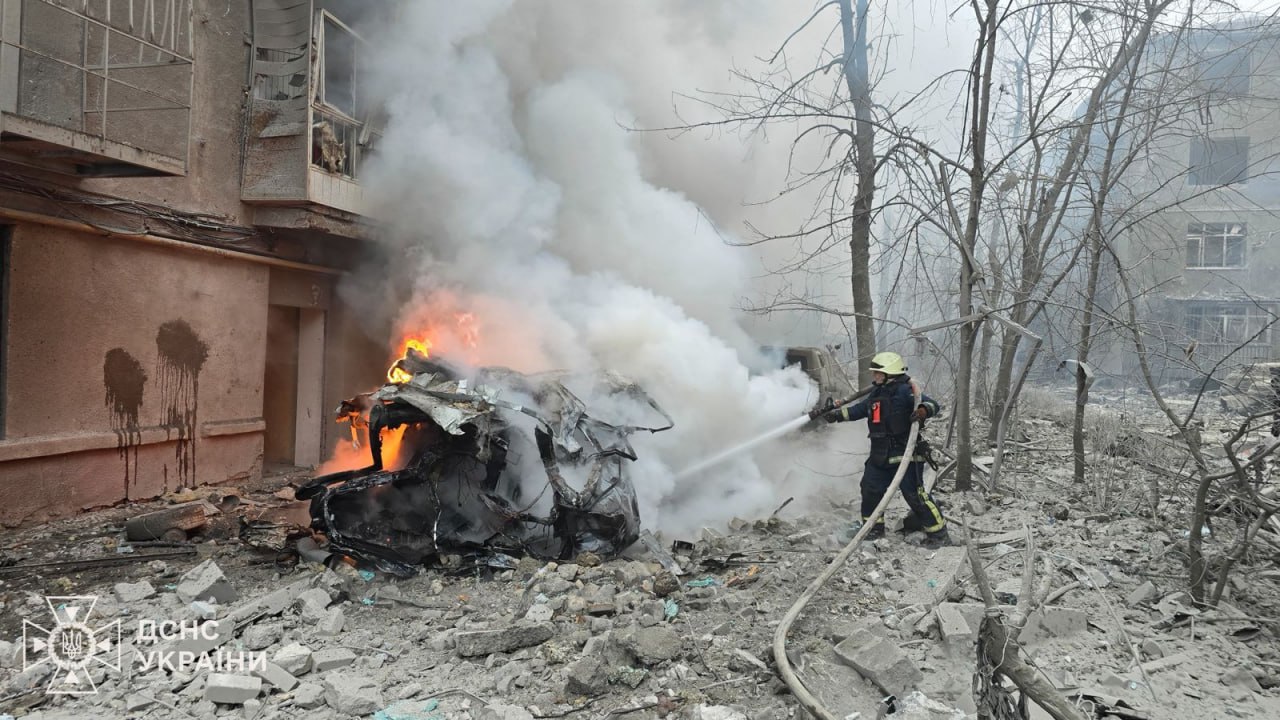
This devastating event underscores the brutal reality facing civilians in Ukraine’s second-largest city, just 30 kilometers from the Russian border.
What Happened on January 2: A Timeline of the Attack
The missiles struck around midday, catching residents off guard in a bustling residential area.
Local officials, including Kharkiv Mayor Ihor Terekhov and Regional Governor Oleh Syniehubov, reported that two Iskander ballistic missiles hit the same spot in quick succession—a tactic often called a “double tap” that endangers rescuers responding to the initial blast.
The primary impact nearly destroyed a five-storey apartment block, burying people under tons of concrete and twisted metal. Fires broke out immediately, complicating early rescue efforts.
Within hours, emergency teams pulled the bodies of the young boy and the woman from the debris. Search operations continued into the night, with fears that more victims remained trapped.
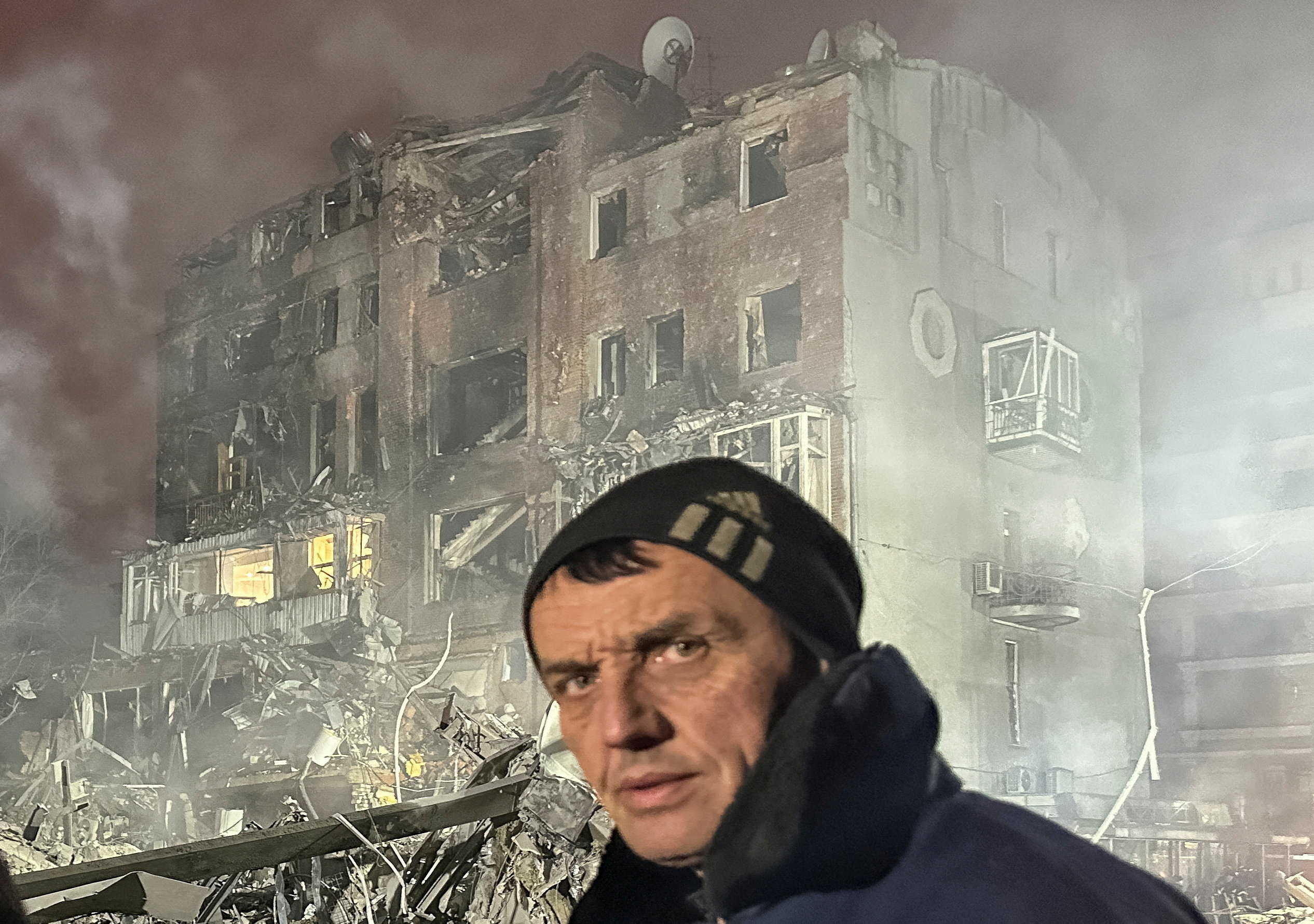
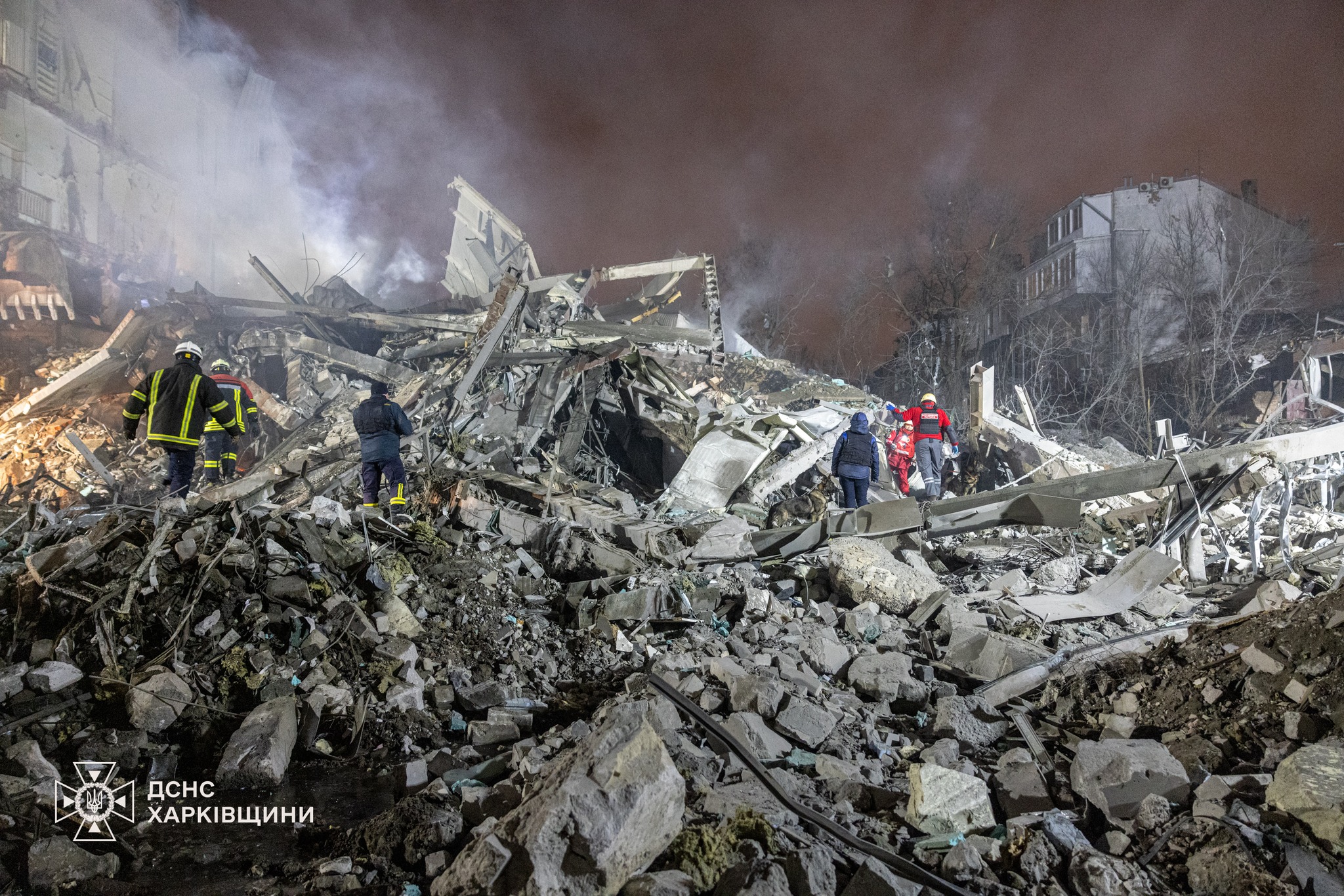
By evening, hospitals treated dozens of wounded, ranging in age from infants to the elderly. The attack also damaged nearby buildings, a shopping center, and vehicles, shattering windows across the neighborhood.
The Human Cost: Stories from the Rubble
I’ve followed Ukraine’s war closely over the years, and strikes like this always hit hard because they remind us that behind the headlines are real families going about their daily lives.
Imagine a mother and her toddler at home on a winter afternoon—perhaps playing, napping, or preparing a meal—when everything explodes around them. That’s the heartbreaking reality authorities described, with preliminary reports suggesting the woman and three-year-old boy were related.
One survivor recounted to local media how the blast threw her across the room; she emerged with cuts but spent hours helping neighbors dig through debris for loved ones.
Another injured resident, a father shielding his infant, described the deafening roar and sudden darkness as dust filled the air. These personal accounts bring home the terror: no warning, no shelter strong enough against ballistic missiles.
It’s moments like these that make you pause and think about the sheer randomness of survival in a war zone. One apartment destroyed, the next merely shaken—lives altered forever in seconds.
Kharkiv’s Long Ordeal: A City Under Constant Threat
Kharkiv has endured more than its share of suffering since Russia’s full-scale invasion began in February 2022.
As Ukraine’s second-largest city and a cultural hub near the border, it became an early target. Russian forces tried to capture it in the war’s opening weeks but faced fierce resistance and eventually withdrew.
Since then, the city has faced near-constant bombardment—missiles, drones, glide bombs, and artillery.
Key Attacks on Kharkiv Over the Years
| Date | Type of Attack | Casualties (Killed/Injured) | Notable Impact |
|---|---|---|---|
| Feb-Mar 2022 | Initial assault & shelling | Hundreds | City besieged; heavy civilian deaths |
| Aug 2022 | Missile strikes on dormitories | 25 killed | Targeted hostels for vulnerable groups |
| Dec 2023 | Missile barrage | 28 injured | Damaged civilian infrastructure |
| Jan 2, 2026 | Dual Iskander ballistic missiles | 2 killed, 31 injured | Destroyed residential building |
This pattern shows Kharkiv’s proximity to Russia makes it vulnerable to quick, deadly strikes. Residents live with air raid sirens as background noise, yet life persists—schools operate underground, cafes reopen, people rebuild.
But each attack erodes that resilience a little more. As one local told reporters after the January strike: “We keep going because we have no choice, but how many times can a city take this?”
The Broader Impact: Civilian Suffering in Prolonged Conflict
Missile attacks like this don’t just kill and injure—they traumatize entire communities.
In Kharkiv, power outages, damaged homes, and disrupted services follow strikes, compounding winter hardships. Psychological toll is immense: children growing up with constant fear, families separated or grieving.
Human rights groups, including the UN and Amnesty International, have documented how such strikes on civilian areas violate international law, often amounting to war crimes when indiscriminate or targeting non-military sites.
Yet denial persists. Russia’s Defense Ministry claimed no strikes occurred in Kharkiv that day, suggesting damage from Ukrainian munitions—a narrative echoed in past incidents but contradicted by eyewitnesses, videos, and independent reporting.
Pros and Cons of International Responses to Civilian Attacks
| Approach | Pros | Cons |
|---|---|---|
| Diplomatic pressure & sanctions | Builds global isolation; non-violent | Slow impact; often bypassed |
| Military aid to Ukraine | Enhances defense; deters escalation | Risks prolonging conflict |
| Peace negotiations | Potential to end suffering | Requires compromises; hard with denials |
| Humanitarian support | Direct relief to victims | Doesn’t address root causes |
No easy answers, but ignoring civilian targeting only encourages more.
People Also Ask
Here are common questions based on searches around recent Kharkiv attacks:
- What caused the January 2026 Kharkiv strike? Ukrainian officials attribute it to two Russian Iskander ballistic missiles; Russia denied involvement.
- How many died in the Kharkiv apartment building attack? Two confirmed: a three-year-old child and a woman, likely his mother.
- Why is Kharkiv frequently targeted? Its location near the Russian border and status as a major Ukrainian city make it strategically significant.
- What support do victims receive? Emergency services, medical care, and international aid organizations provide immediate help; long-term rebuilding is ongoing.
- Has Russia commented on civilian casualties in Ukraine? Often denies responsibility or claims strikes hit military targets.
FAQ
Is Kharkiv safe for residents in 2026? No city in a war zone is fully safe, but Kharkiv’s people show incredible resilience with underground schools and community support networks.
What weapons were used in the January 2 attack? Reports indicate Iskander-M ballistic missiles, known for speed and difficulty intercepting.
How can I help victims of attacks like this? Donate to reputable organizations like the Red Cross Ukraine appeal or UN humanitarian funds; support verified local efforts.
Why do these attacks continue despite peace talks? Conflicting narratives and military objectives persist; civilian areas suffer amid stalled diplomacy.
What is the death toll from Russian strikes on Kharkiv since 2022? Thousands affected overall, with hundreds killed in civilian areas alone—exact figures vary by source.
In closing, the January 2 strike on Kharkiv isn’t just another news item—it’s a stark reminder of war’s human cost. A child who won’t grow up, a mother gone, families shattered.
Yet Kharkiv endures, as it has for years. Residents clear rubble, treat the wounded, and rebuild, defiant in the face of terror.
We owe it to them to keep paying attention, demanding accountability, and hoping for the day when missiles no longer rain on ordinary lives.