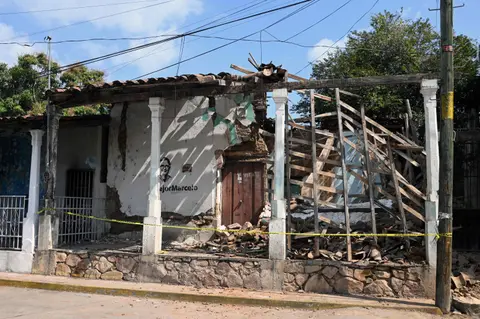
Imagine waking up to the world literally shifting beneath your feet – that’s the reality thousands faced in Mexico early that Friday morning. As someone who’s traveled through Mexico and felt the subtle rumbles of minor quakes while sipping coffee in a bustling café, I can tell you it’s a humbling reminder of nature’s power. This event, though not the deadliest in Mexico’s history, claimed two lives and left a trail of fear, damage, and resilience across southern and central regions.
The Moment the Earth Shook: A Firsthand-Like Recount of Chaos
It started just before 8 a.m. local time, with seismic alarms blaring across cities like Mexico City and Acapulco, pulling people from their routines into the streets. President Claudia Sheinbaum, in the middle of her first press conference of the year, paused mid-sentence, calmly noting, “It’s shaking,” before leading everyone outside – a moment captured on video that went viral, showing leadership in action. Residents described a deep rumble turning into violent swaying, knocking items off shelves and cracking walls, while tourists in beach resorts clutched their belongings in panic.
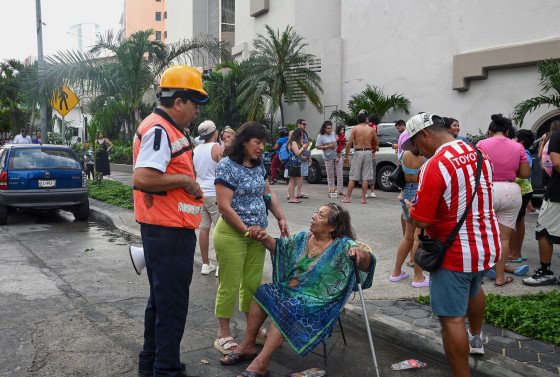
Earthquake with 6.5 magnitude rattles southern and central Mexico …
Epicenter Uncovered: Pinpointing the Source in Guerrero
The quake’s heart was near San Marcos, a coastal town in Guerrero state, about 57 miles northeast of Acapulco, at a depth of around 35 kilometers – shallow enough to amplify the shaking felt hundreds of miles away. This location, nestled along the Pacific coast, is no stranger to tremors, given Mexico’s position atop converging tectonic plates. The initial jolt sent shockwaves rippling outward, affecting everything from rural homes to urban high-rises.
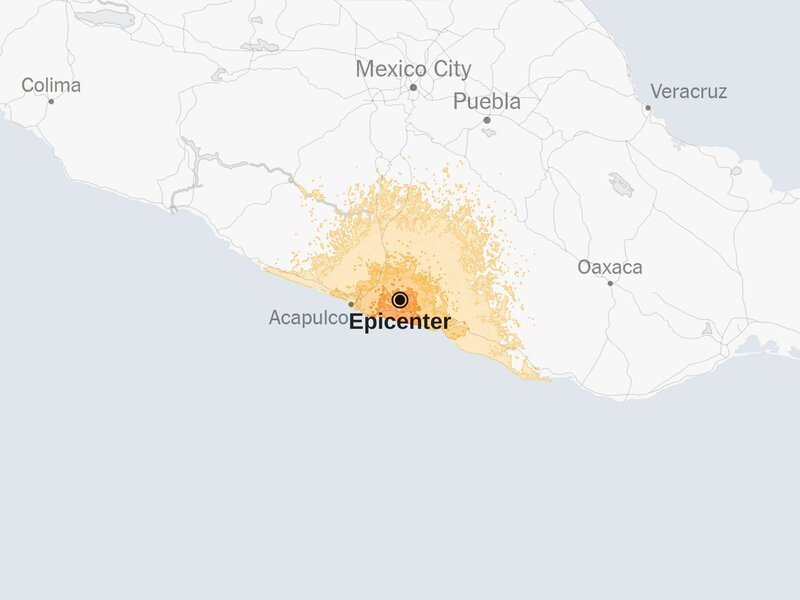
Map: 6.5-Magnitude Earthquake Shakes Mexico – The New York Times
Why Guerrero? A Hotspot for Seismic Activity
Guerrero’s rugged terrain and proximity to the Cocos Plate subduction zone make it a frequent epicenter for quakes, where the oceanic plate dives under the North American one, building up stress that releases violently. In this case, the 6.5 magnitude event triggered over 500 aftershocks by the next day, some as strong as 4.7, keeping nerves on edge. It’s like the earth clearing its throat after a big cough – unsettling but part of the process.
Measuring the Magnitude: What 6.5 Really Means on the Richter Scale
On the Richter scale, a 6.5 is considered strong, capable of causing significant damage in populated areas, especially if buildings aren’t up to code. It releases energy equivalent to about 475 kilotons of TNT – think Hiroshima bomb times 32 – but thankfully, modern alerts mitigated worse outcomes. Unlike milder quakes that might just rattle windows, this one toppled structures and sparked landslides, reminding us magnitude isn’t just a number; it’s a force that reshapes lives.
Intensity vs. Magnitude: Feeling the Difference Across Regions
While magnitude measures energy release, intensity describes how it feels on the ground – in Acapulco, it was intense enough to evacuate hotels, while in Mexico City, 250 miles away, it was more of a sway, thanks to distance and soil types amplifying waves. Soft sediments in the capital act like jelly, prolonging shakes, a lesson learned from past disasters. It’s fascinating how the same event can feel like a monster in one spot and a nudge in another.
Heartbreaking Losses: The Human Toll of the Quake
Two lives were tragically cut short: a 50-year-old woman in a small Guerrero community, crushed when her modest home collapsed, and a 60-year-old man in Mexico City who suffered a fatal heart attack and fall during evacuation. At least 12 others were injured, some from falling debris, others in the rush to safety. These aren’t just stats; they’re stories – like the woman who might have been preparing breakfast for her family, or the man perhaps thinking of his grandkids as alarms wailed.
Survivor Tales: Resilience Amid the Rubble
One doctor in Acapulco described hearing dogs bark wildly before the rumble hit, grabbing a backpack of essentials as aftershocks rolled in – a scene echoed by many who shared on social media about hugging loved ones in the streets. I recall a friend in Mexico telling me about a similar scare; we laughed later about spilling coffee everywhere, but the fear lingers, turning strangers into a community bonded by survival.
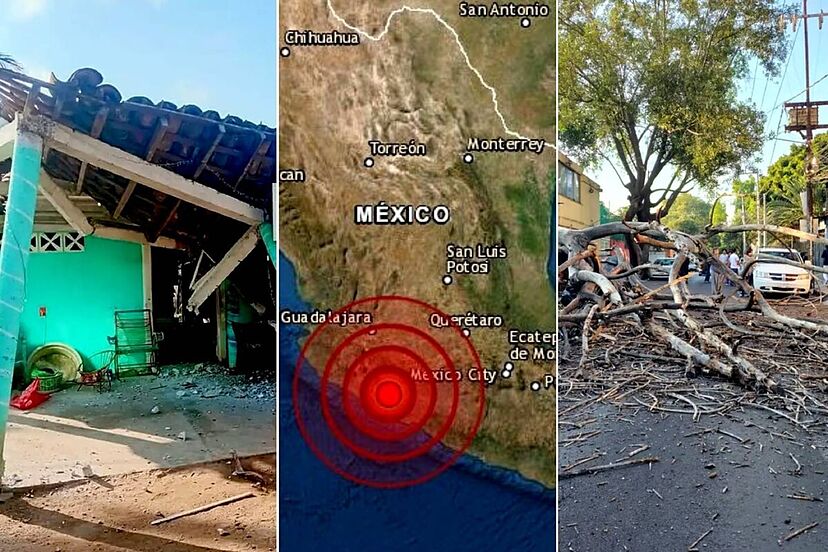
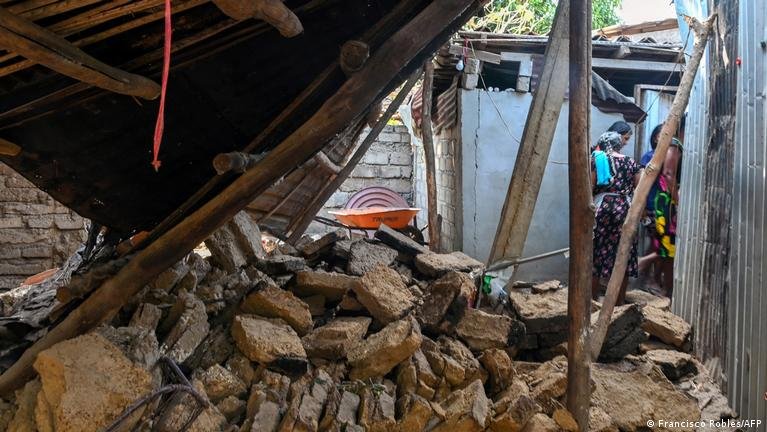
Damage Assessment: From Cracked Roads to Evacuated Hospitals
Landslides blocked highways in Guerrero, gas leaks sparked fears of fires, and a hospital in Chilpancingo sustained major structural damage, forcing patient evacuations. In Mexico City, power outages hit briefly, but 98% was restored quickly; airports like those in the capital and Acapulco reported minor issues but stayed operational. Overall, while not catastrophic, the quake exposed vulnerabilities in older infrastructure.
Economic Ripples: Impact on Tourism and Daily Life
Acapulco, still recovering from a 2023 hurricane, saw tourists flee hotels, potentially denting the vital tourism sector – think canceled bookings and wary visitors. Rural areas faced cut communications, delaying aid, but urban centers bounced back faster, with businesses reopening by afternoon. It’s a bittersweet silver lining: the event tested resilience without overwhelming the economy.
Swift Response: How Authorities Stepped Up
Governor Evelyn Salgado of Guerrero confirmed the rural death and mobilized teams for assessments, while Mexico City Mayor Clara Brugada reported the urban casualty and oversaw inspections of 34 buildings and five homes. President Sheinbaum urged calm, resuming her briefing shortly after, praising the seismic alert system installed post-1985 disaster. Civil protection units cleared debris and checked for hazards, showcasing Mexico’s evolved emergency protocols.
The Role of Technology: Seismic Alarms Saving Lives
Mexico’s early warning system, triggered seconds before the quake, gave precious time to evacuate – a far cry from past surprises. It’s not perfect, but as Sheinbaum noted, “all get out calmly,” it worked, preventing more tragedies. Humorously, some joked online about the alarms being louder than the quake itself, but that’s the point: better safe than sorry.
Mexico’s Shaky History: Lessons from Devastating Quakes
Mexico sits at the crossroads of five tectonic plates, making earthquakes a way of life – the 1985 8.0 magnitude quake killed over 9,500 in Mexico City alone, leading to stricter building codes. Then came 2017’s 7.1, toppling dozens of structures and claiming 370 lives, reinforcing the need for drills and retrofits. These events aren’t just history; they’re blueprints for survival.
Iconic Disasters: The 1985 Mexico City Catastrophe
That September morning in 1985, an 8.0 quake from Michoacan flattened parts of the capital, with rescue efforts pulling miracles from rubble days later. I once visited the memorial site; it’s eerie, a quiet testament to loss, but also to the community spirit that rebuilt the city stronger.
More Recent Shocks: The 2017 Puebla Earthquake
Striking on the anniversary of 1985, this 7.1 event killed 370, damaging thousands of buildings and sparking nationwide solidarity campaigns. Survivors shared tales of fist-raising silence during searches, a tradition that evokes chills – human connection in crisis.
Comparing Quakes: How 2026 Stacks Up Against the Past
Unlike 1985’s massive death toll, 2026’s lower magnitude and better preparedness limited fatalities to two, with damage more contained. Aftershocks were plentiful, similar to 2017, but urban evacuations were smoother. It’s progress, though each quake reminds us complacency is the real enemy.
| Earthquake Event | Magnitude | Year | Epicenter | Deaths | Key Impacts |
|---|---|---|---|---|---|
| Michoacan Quake | 8.0 | 1985 | Michoacan Coast | 9,500+ | Massive urban collapse in Mexico City; led to seismic alerts |
| Puebla Quake | 7.1 | 2017 | Puebla State | 370 | Building failures; nationwide drills implemented post-event |
| Guerrero Quake | 6.5 | 2026 | San Marcos, Guerrero | 2 | Landslides, minor structural damage; quick power restoration |
Pros and Cons of Mexico’s Seismic Preparedness
Pros: Advanced warning systems save lives; regular drills build muscle memory; community networks provide rapid aid. Cons: Older rural buildings remain vulnerable; aftershocks prolong fear; economic recovery in tourist areas lags. Balancing these shows Mexico’s growth, but there’s always room for more investment in resilient infrastructure.
Building Back Better: Earthquake Preparedness in Mexico Today
Mexico mandates annual drills, like the one simulating 1985 scenarios, teaching drop-cover-hold techniques that likely saved lives here. Apps like SkyAlert provide real-time notifications, and government programs retrofit schools and hospitals. It’s empowering, turning fear into action.
Essential Tips for Personal Earthquake Readiness
- Assemble a go-bag with water, food, meds, and documents – mine includes a whistle for signaling rescuers.
- Secure heavy furniture to walls to prevent tipping; it’s a simple fix that pays off.
- Know your evacuation routes and meeting points; practice with family for peace of mind.
- Install seismic apps for alerts; they’re lifesavers in a tech-savvy world.
Where to Get Help: Navigating Aid After a Quake
For immediate assistance, contact Mexico’s Civil Protection at 911 or local Red Cross branches. Government sites like gob.mx offer damage reporting forms, while NGOs such as Oxfam provide relief in rural areas. If you’re a tourist, embassies like the U.S. one in Mexico City have hotlines for support.
Best Tools for Earthquake Monitoring and Safety
Transactional picks: The MyShake app detects quakes early; QuakeFeed for global tracking; or invest in a home seismic sensor like those from Raspberry Shake for $100-200. These tools empower you to stay ahead, blending tech with preparedness.
People Also Ask: Addressing Common Queries on the 2026 Mexico Earthquake
What was the magnitude of the earthquake in Mexico on January 2, 2026? It registered 6.5 on the Richter scale, strong enough for widespread shaking but moderated by alerts.
Where was the epicenter of the Mexico earthquake? Near San Marcos in Guerrero, close to Acapulco, at a depth of 35 km.
How many people died in the Mexico earthquake? At least two fatalities were reported, with injuries around a dozen.
Were there aftershocks after the Mexico quake? Yes, over 500, keeping authorities vigilant.
Did the earthquake cause a tsunami in Mexico? No tsunami warnings were issued, as the quake was inland-focused.
FAQ: Answering Your Burning Questions on the Mexico Earthquake
What caused the 6.5 magnitude earthquake in Mexico? It resulted from the subduction of the Cocos Plate under the North American Plate, a common trigger in this seismic hotspot. The built-up stress released suddenly, typical for the region.
How can I donate to help earthquake victims in Mexico? Support organizations like the Mexican Red Cross via their website or international platforms like GlobalGiving, focusing on rebuilding efforts in Guerrero.
Is Mexico prone to more earthquakes soon? Yes, given its tectonic setting, but predicting exact times is impossible; ongoing monitoring helps, with aftershocks expected to taper off.
What should I do during an earthquake in Mexico? Drop, cover, and hold on under sturdy furniture; avoid windows and elevators, and head to open spaces if outside.
How has Mexico improved since past quakes? Stricter building codes, widespread alerts, and community education have drastically reduced casualties compared to 1985.
In wrapping up, this quake, while tragic, highlights Mexico’s grit – from the president’s poise to everyday folks helping neighbors. It’s a call to cherish stability, prepare wisely, and support one another. If you’ve experienced something similar, share in the comments; stories connect us all. For more on seismic safety, check resources from USGS or Mexico’s Seismological Service. Stay safe out there.