Imagine lacing up your boots for a solo hike, the crisp mountain air filling your lungs, and the promise of solitude drawing you deeper into nature’s embrace. It’s a scene I’ve cherished on countless treks through the Rockies, where the thrill of adventure meets the raw beauty of the untamed world. But sometimes, that beauty hides sharp claws. On New Year’s Day 2026, a woman set out on what should have been a peaceful outing along the Crosier Mountain Trail in northern Colorado, only to become the victim of a rare and heartbreaking suspected mountain lion attack. This incident, the first fatal one in the state in over 25 years, serves as a stark reminder of the delicate balance between humans and wildlife. As someone who’s dodged a few close calls with curious critters myself—like that time a black bear wandered too close to my campsite in Yellowstone—stories like this hit close to home, blending sorrow with a call for smarter outdoor habits.
The Incident That Shook Larimer County
Nestled in the rugged foothills northeast of Estes Park, the Crosier Mountain Trail offers stunning views and challenging terrain that draws hikers year-round. On January 1, 2026, an adult woman embarked on this path alone, unaware that her journey would end in tragedy. Authorities from Colorado Parks and Wildlife (CPW) later confirmed that her death is suspected to stem from a mountain lion encounter, marking a somber start to the new year in unincorporated Larimer County.
Discovery by Fellow Hikers
Around 12:15 p.m., two hikers spotted something alarming from about 100 yards away: a mountain lion hovering near a motionless figure on the ground. Acting on instinct, they hurled rocks to drive the animal off, then rushed to the woman’s side. One of them, a physician, checked for a pulse but found none, turning what began as a routine hike into a scene of profound loss.
Official Response and Investigation
CPW wildlife officers quickly arrived, locating and euthanizing two mountain lions in the vicinity per agency protocol for human attacks. Necropsies are underway to test for human DNA, rabies, or other abnormalities like avian influenza that might explain aggressive behavior. The Larimer County Coroner’s Office will release the victim’s identity and official cause of death, but early signs point to the lions as the culprits.
A Rare but Real Danger: Mountain Lions in the Spotlight
Mountain lions, also known as cougars or pumas, are elusive predators that roam vast territories across the western U.S. With Colorado boasting an estimated 3,800 to 4,400 of these big cats, sightings are more common in winter when they follow deer and elk migrations. Yet attacks on humans remain exceedingly rare—only 28 confirmed in the state since 1990, most non-fatal.
Why This Attack Stands Out
This marks Colorado’s first deadly mountain lion incident since 1997, when a 10-year-old boy was killed near Rocky Mountain National Park, or possibly 1999 depending on records. The involvement of potentially two lions adds an unusual layer, as these animals are typically solitary hunters. Experts speculate hunger, territory defense, or disease could be factors, but investigations continue.
Emotional Impact on the Community
News of the attack rippled through local hiking groups, evoking a mix of grief and caution. I once chatted with a ranger in Estes Park who shared how such events remind us that nature isn’t a theme park—it’s wild and unpredictable. Hikers like Lindsey Jones and her partner, who encountered lions near the same area shortly after, described a chilling sense of vulnerability, underscoring the emotional toll on outdoor enthusiasts.
To illustrate the scene, here’s an image of the Crosier Mountain Trail, capturing its serene yet rugged allure.
Historical Context: Fatal Mountain Lion Attacks in the US
Mountain lion attacks have dotted U.S. history, though they’re far less common than, say, bee stings or lightning strikes. Since the 1800s, about 27 fatal incidents have been recorded nationwide, with California holding the dubious record for the most. The 1994 death of Barbara Schoener in California’s Sierra Nevada, where she was jogging alone, echoes this recent tragedy in its suddenness and solitude.
Notable Past Incidents
- 1994, California: Barbara Schoener, 40, killed while jogging; first confirmed fatal attack in the state in nearly a century.
- 1997, Colorado: A young boy mauled near Rocky Mountain National Park, prompting increased awareness campaigns.
- 2018, Washington: A mountain biker killed, the first in the state in 94 years.
- 2024, California: A 21-year-old man fatally attacked while antler hunting with his brother; the lion was later euthanized.
These cases highlight patterns: victims often alone, in remote areas, and during dawn or dusk when lions are active.
Comparison: Mountain Lions vs. Other Wildlife Threats
| Threat | Annual U.S. Fatalities (Avg.) | Common Locations | Prevention Focus |
|---|---|---|---|
| Mountain Lions | <1 | Western states like CO, CA | Hike in groups, make noise |
| Bears | 1-2 | Alaska, Rockies | Bear spray, food storage |
| Wolves | 0 | Northern U.S. | Rare; avoid feeding |
| Snakes | 5-6 | Southern states | Watch steps, wear boots |
Mountain lions pose a minimal risk compared to bears or even domestic dogs, but their stealth makes encounters feel more harrowing.
The Ecology of Mountain Lions: Predators in Balance
These majestic cats play a vital role in ecosystems, controlling deer populations to prevent overgrazing. Weighing up to 220 pounds, with powerful leaps covering 40 feet, they’re apex predators adapted for ambush. But human expansion into their habitats increases overlap, leading to rare conflicts. In a lighter vein, I’ve always joked that if a lion picks you, it’s because you look like an easy meal—better to bulk up on trail mix!
Pros and Cons of Mountain Lion Conservation
Pros:
- Maintains biodiversity by culling weak prey.
- Boosts ecotourism in areas like Rocky Mountain National Park.
- Symbolizes wilderness preservation efforts.
Cons:
- Potential for livestock predation, costing ranchers thousands.
- Rare human safety risks, as seen in this incident.
- Management challenges, like controversial hunting quotas.
Balancing conservation with safety requires informed policies, like CPW’s monitoring programs.
Hiking Safety in Lion Country: Lessons from the Tragedy
Drawing from my own scrapes—like startling a coyote pack in Utah—prevention is key. Officials urge hiking in groups, keeping pets leashed, and carrying deterrents. If confronted, stand tall, make noise, and fight back if attacked. For tools, consider bear spray (effective on lions too) or air horns.
Best Tools for Mountain Lion Encounters
- Bear Spray: Quick-deploy pepper formula; brands like Counter Assault are top-rated.
- Hiking Poles: Dual-purpose for stability and defense.
- Personal Locator Beacon: Garmin inReach for remote SOS signals.
Where to get them? REI or Amazon offer reliable options, with prices starting at $30 for spray.
What to Do If You Spot a Mountain Lion
- Stay calm and avoid running—predators love a chase.
- Make yourself appear larger by raising arms.
- Back away slowly while maintaining eye contact.
- If attacked, protect your neck and use whatever’s at hand to fight.
These tips aren’t just theory; they’ve saved lives in past encounters.
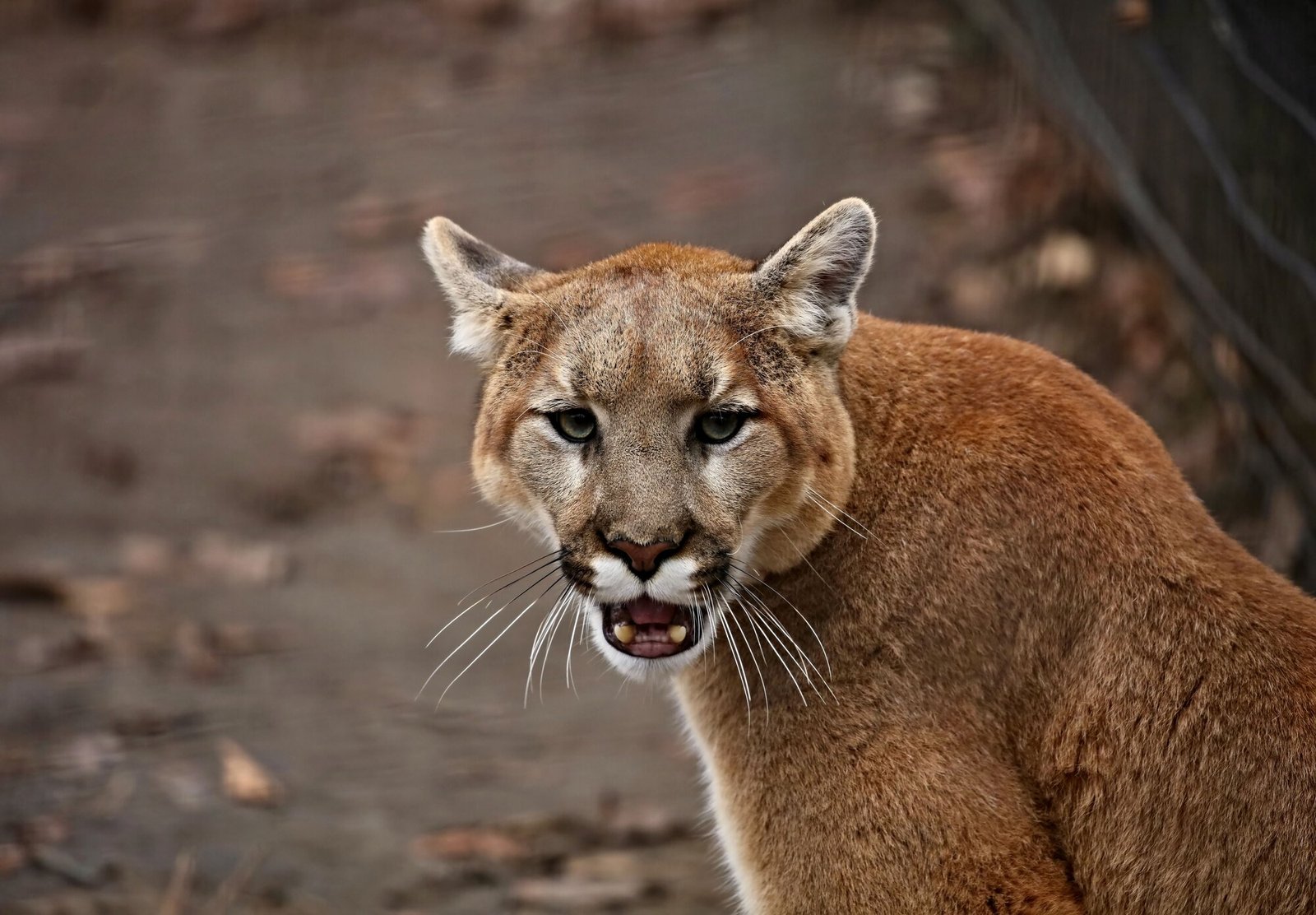
Here’s a visual of a mountain lion in its natural habitat, to appreciate their grace from a safe distance.
People Also Ask: Addressing Common Queries
Based on real Google searches related to mountain lion attacks, here are some top questions and answers.
How common are mountain lion attacks in the US?
Extremely rare—fewer than 30 fatal attacks in the last century, with most in California and Colorado. Non-fatal incidents occur about 3-4 times yearly, often involving joggers or cyclists.
What should you do during a mountain lion attack?
Fight back aggressively—aim for eyes and nose. Use rocks, sticks, or keys. Never play dead, as with bears; lions see that as submission.
Are mountain lions endangered in Colorado?
No, they’re classified as a game species with stable populations. CPW manages them through hunting to prevent overpopulation.
Has there been a mountain lion attack in Colorado recently?
Yes, the January 2026 incident on Crosier Mountain is the latest, suspected to involve one or two lions.
The Broader Implications: Wildlife Management and Human Coexistence
This tragedy sparks debates on habitat preservation versus public safety. Groups like the Mountain Lion Foundation advocate for non-lethal deterrents, while ranchers push for more culling. In my experience volunteering with wildlife rehab centers, education bridges the gap—teaching kids about respecting nature reduces conflicts.
Transactional Advice: Best Gear for Safe Hiking
For those eyeing lion-prone trails, invest in quality gear. Top picks include the Sabre Frontiersman Bear Spray ($40 on Amazon) or the Spot Gen4 Satellite Messenger ($150 at REI). These tools empower you without harming wildlife unnecessarily.
Personal Reflections: Finding Solace in the Wild
Recalling a foggy morning hike where I felt eyes on me—turned out to be a deer—I can’t help but feel a pang for this woman. Her story isn’t just news; it’s a human tale of seeking peace in nature, only to meet its harsher side. Yet, it shouldn’t deter us. With caution, the trails remain a source of joy and renewal.
FAQ: Answering Your Burning Questions
1. How can I tell if a mountain lion is nearby?
Look for tracks (cat-like with no claw marks), scat, or scraped earth. Fresh kills or eerie silence in wildlife areas are red flags.
2. Are children more at risk from mountain lions?
Yes, due to their size resembling prey. Always supervise kids and hike in groups in known lion territories.
3. What’s the best way to report a mountain lion sighting?
Contact local wildlife agencies like CPW at 303-297-1192 or use apps like iNaturalist for non-emergencies.
4. Do mountain lions attack dogs?
Often, as they see them as competitors or prey. Keep pets on short leashes and avoid off-leash areas.
5. Can mountain lion attacks be prevented through legislation?
Yes, measures like Proposition 127 in Colorado aim to ban trophy hunting, potentially reducing bold lion behavior.
In wrapping up, this heartbreaking event on Crosier Mountain underscores the need for vigilance without fear. Nature’s wonders are worth the risk, but only when approached with respect. For more on Colorado trails, check out the official CPW site or the Hiking Project app. Stay safe out there—happy trails.