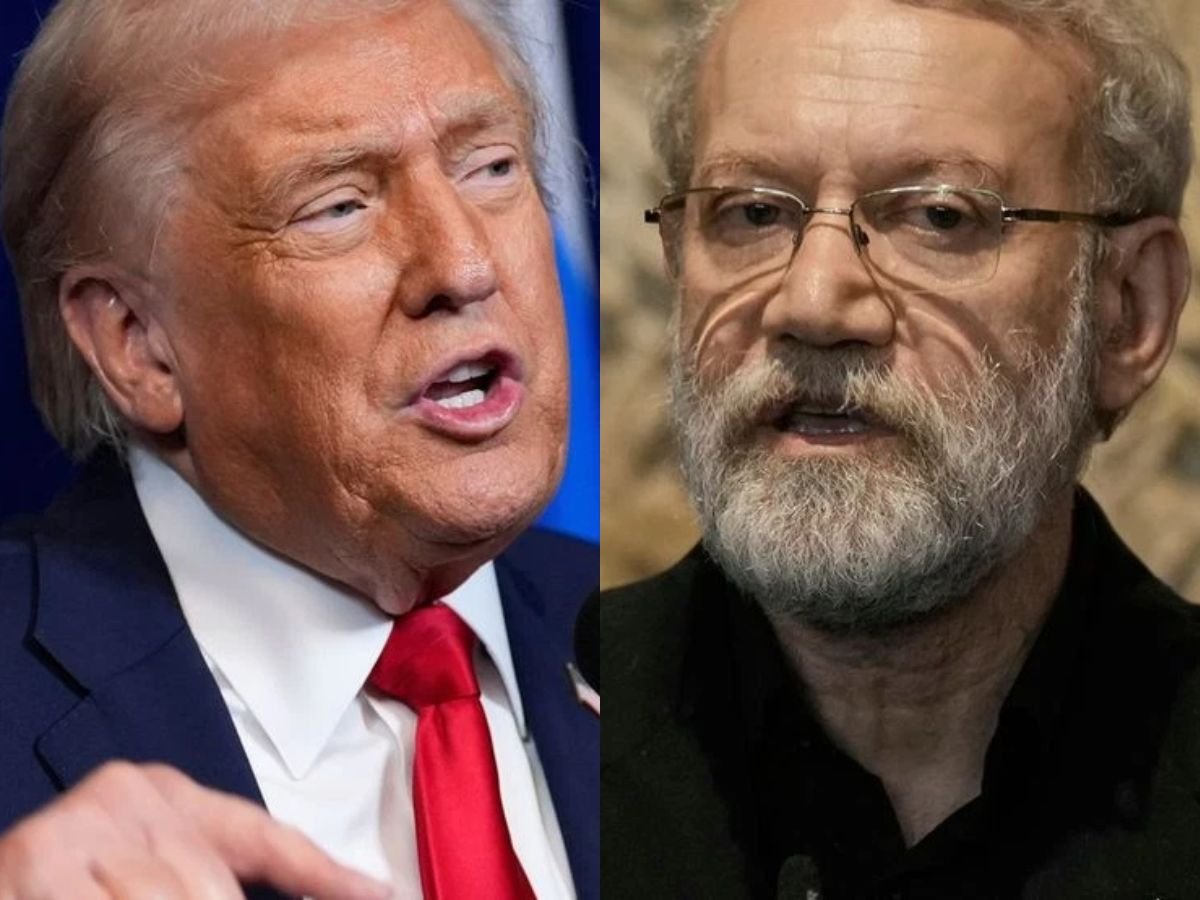
I’ve followed Middle East politics for years, ever since a trip to Turkey back in the early 2000s opened my eyes to how quickly things can spiral in that part of the world. One moment you’re sipping tea in a bustling market, the next you’re hearing whispers of unrest that could change everything. That’s what makes the current situation in Iran feel so familiar yet so urgent. On January 2, 2026, President Donald Trump dropped a bombshell on Truth Social, warning that if Iran’s regime starts “violently killing peaceful protesters,” the United States will step in to “come to their rescue.” He added those familiar words: “We are locked and loaded and ready to go.”
It’s a bold statement, one that echoes Trump’s no-nonsense style, but it carries real weight given the fragile state of U.S.-Iran relations. As someone who’s seen how economic pain can fuel street anger—I remember talking to shopkeepers in Cairo during tough times—this feels like a pivotal moment. Let’s break it down, step by step, and look at what’s really at stake.
The Spark: Iran’s Deepening Economic Crisis
The protests didn’t come out of nowhere. They kicked off on December 28, 2025, when shopkeepers in Tehran’s Grand Bazaar shut their doors in frustration over skyrocketing prices and a plunging currency.
Iran’s rial lost nearly half its value against the dollar last year, with inflation hitting over 42% in December. Food prices jumped even higher, and everyday folks are struggling to put bread on the table. What started as strikes by merchants quickly spread to students and ordinary citizens in cities like Isfahan, Shiraz, and smaller towns in western provinces.
By early January 2026, demonstrations had reached at least 22 of Iran’s 31 provinces. Chants shifted from economic complaints to outright anti-regime slogans, calling out corruption and demanding change. It’s reminiscent of past uprisings, but this time, the pain feels deeper after years of sanctions and the lingering effects of the short 2025 war with Israel.
Tragically, clashes turned deadly. Reports confirm at least eight deaths, including protesters and some security forces, with gunfire reported in places like Lorestan and Chaharmahal and Bakhtiari provinces. Human rights groups say security forces have used live ammunition, while state media blames “rioters” for attacking police stations.
Trump’s Warning: A Direct Message to Tehran
President Trump’s post came in the early hours of January 2, right as reports of fatalities emerged.
He didn’t mince words, calling violent suppression of peaceful protesters “their custom”—a jab at Iran’s history of crackdowns—and promising U.S. action to protect demonstrators. This isn’t Trump’s first rodeo with Iran; during his first term, he pulled out of the nuclear deal and imposed “maximum pressure” sanctions. More recently, in June 2025, U.S. forces joined Israel in striking Iranian nuclear sites.
But this warning feels different. It’s tied directly to human rights and internal unrest, not just nukes or missiles. Some protesters, speaking anonymously, have said they’ve hoped for U.S. backing because they believe Trump means what he says—and that it might deter security forces.
Of course, not everyone sees it that way. Iranian officials fired back quickly, calling the threat “reckless” and warning of regional chaos.
Iran’s Sharp Rebuke: Threats and Accusations
Tehran’s response was swift and fiery. Ali Larijani, a top adviser to Supreme Leader Ayatollah Ali Khamenei, accused the U.S. and Israel of stoking the protests (without evidence, as usual) and said any intervention would “destabilize the entire region and destroy American interests.”
Other voices, like Foreign Minister Abbas Araghchi, labeled Trump’s words “dangerous” and put armed forces on standby. Parliament Speaker Mohammad Bagher Qalibaf went further, suggesting U.S. bases in the Middle East could become “legitimate targets.”
It’s classic Iranian rhetoric—blame outsiders, rally around the flag. But underneath, there’s real concern. President Masoud Pezeshkian has acknowledged “legitimate demands” and called for dialogue, while Khamenei urged putting “rioters” in their place. The regime’s divided: talk tough externally, but avoid a full massacre that could invite foreign action.
| Key Iranian Responses | Speaker | Main Message |
|---|---|---|
| Destabilization Warning | Ali Larijani | U.S. intervention = regional chaos, harm to American interests |
| Reckless and Dangerous | Abbas Araghchi | Armed forces ready; reject foreign interference |
| Legitimate Targets | Mohammad Bagher Qalibaf | U.S. bases at risk if adventurism occurs |
| Red Line | Ali Shamkhani | Any interventionist hand will be “cut off” |
Historical Echoes: Past Protests and U.S. Role
Iran has seen waves of unrest before, often crushed brutally.
- 2009 Green Movement: Millions protested alleged election fraud; hundreds killed, thousands arrested. U.S. support was vocal but limited.
- 2019 Fuel Protests: Economic triggers led to over 1,500 deaths in a harsh crackdown.
- 2022 Mahsa Amini Uprising: Sparked by a young woman’s death in custody, it became the biggest challenge in years, with hundreds killed.
This time, economic woes are front and center, worsened by sanctions and post-war recovery. Trump’s direct threat of intervention is new—past U.S. presidents avoided endorsing protesters too strongly to prevent regime claims of foreign plots.
Pros and Cons of Potential U.S. Intervention
Pros:
- Could deter regime violence and save lives.
- Signals support for human rights and democracy.
- Weakens a key adversary without full war.
Cons:
- Risks escalation into broader conflict.
- Might unify Iranians against “foreign meddling.”
- No clear endgame; past interventions (Iraq, Libya) show complications.
Global Reactions and What’s Next
The international community is watching closely. The EU expressed concern over deaths and called for restraint. Israel has voiced support for protesters in Farsi messages.
As of January 4, protests continue, though a holiday break might have slowed momentum. Security forces are out in force, and arrests are mounting.
Trump’s words have put Tehran on notice, but will he follow through? It depends on how bad the crackdown gets. For now, it’s raised the stakes dramatically.
I’ve always believed words matter in diplomacy, but in moments like this, they can either de-escalate or light the fuse. One thing’s clear: the Iranian people are fed up, and the world can’t look away.
People Also Ask (PAA)
Here are some common questions people are searching about this topic, based on current trends:
- What did Trump say about Iran protests? Trump warned on Truth Social that if Iran violently kills peaceful protesters, the U.S. will intervene, stating “we are locked and loaded.”
- Why are there protests in Iran right now? They’re driven by economic hardship—inflation over 42%, currency collapse, and rising prices—evolving into anti-regime demands.
- Has the U.S. intervened in Iran before? Not militarily for protests, but through sanctions, cyber operations, and 2025 strikes on nuclear sites.
- How many people have died in the Iran protests? At least eight confirmed, with reports varying by source.
- What is Iran’s response to Trump’s warning? Officials called it reckless, threatened regional chaos, and put forces on alert.
FAQ
Q1: Is U.S. military intervention in Iran likely? It’s possible if killings escalate, but Trump hasn’t specified actions. Options range from airstrikes to cyber support or sanctions.
Q2: How do these protests compare to 2022? Similar economic roots, but smaller scale so far; 2022 was sparked by women’s rights and saw wider participation.
Q3: What role has Israel played? Israel’s Mossad has encouraged protesters publicly, and Netanyahu has discussed Iran with Trump.
Q4: Can protesters access the internet freely? Regime often restricts it; activists call for tools like Starlink to bypass blackouts.
Q5: Will this lead to regime change? Uncertain—past protests weakened the regime but didn’t topple it. Economic pressure might tip the balance, but unity against outsiders often helps Tehran.
In the end, this story is about people pushing for a better life against overwhelming odds. I’ve felt that hope in conversations with folks from the region—it’s raw and real. Whatever happens next, let’s hope it leads to less suffering, not more.