
Imagine a kid dodging bullets on the way to school, or huddling under a blanket as bombs shake the walls. That’s not some movie scene—it’s the harsh reality for millions of children in war zones today. I’ve spoken with survivors over the years, like a young boy from Syria who told me how the constant fear turned his world upside down. As a journalist who’s covered conflicts, I’ve seen firsthand how these experiences don’t just fade away; they reshape a child’s mind in profound ways. This article dives deep into the science behind it, sharing real stories and practical insights to understand the lasting impact.
The Immediate Toll of War on a Young Mind
War isn’t just loud and scary—it’s a relentless assault on a child’s developing brain. Toxic stress from explosions, loss, and uncertainty floods their system with cortisol, hijacking normal growth. Kids might freeze up during play or lash out unexpectedly, their little bodies wired for survival mode.
How Toxic Stress Alters Brain Chemistry
Picture the brain as a budding tree; war prunes it harshly. High stress levels shrink the hippocampus, the part handling memory, while amping up the amygdala, which governs fear responses. This imbalance can make everyday noises feel like threats, turning a slammed door into a flashback trigger.
The Role of Cortisol in Early Trauma
Cortisol, that fight-or-flight hormone, surges non-stop in war zones. It disrupts sleep and appetite, stunting emotional regulation. Over time, this leads to kids who struggle with focus or trust, their brains literally reshaped by chaos.
Physical Signs of Trauma in Children
You might notice a child flinching at shadows or wetting the bed long after the guns fall silent. These aren’t quirks—they’re the body’s cry for help, with war’s grip showing in headaches or tummy aches that doctors can’t explain.
Long-Term Neurological Changes from Childhood War Exposure
Years down the line, those early scars don’t heal easily. Studies show adults who grew up in conflict often battle memory lapses or decision-making woes, their brains bearing the marks of interrupted development. It’s like carrying an invisible backpack of worries that weighs on every step.
Impacts on Memory and Learning Abilities
The hippocampus takes a hit, making it tough to retain new info. A friend who escaped Bosnia as a teen shared how she still blanks on simple facts, her mind foggy from those terror-filled nights. This can derail education and careers, creating a cycle of setbacks.
Why School Becomes a Battleground for Survivors
In class, these kids might zone out or act defiant, not out of rebellion but because their brains are on high alert. Teachers often misread it as laziness, missing the deeper trauma roots.
Emotional Regulation Challenges in Adulthood
Grown-ups from war-torn childhoods may swing between numbness and rage. It’s no joke—I’ve seen hardened veterans break down over a firework, echoing the blasts from their youth. This volatility strains relationships and jobs.
Psychological Effects That Linger for Decades
Beyond the brain wiring, war plants seeds of mental health struggles that bloom later. PTSD isn’t just for soldiers; kids carry it too, with nightmares haunting them into old age. But there’s hope in resilience stories that light the way forward.
The Rise of PTSD and Anxiety Disorders
Flashbacks hit like lightning, pulling survivors back to the rubble. Anxiety keeps them scanning rooms for exits, a habit forged in fear. One Ukrainian girl I interviewed described it as living with a ghost that whispers dangers.
Depression as a Silent Companion
Many sink into despair, feeling worthless amid the ruins of their innocence. It’s heartbreaking—kids who once dreamed big now question their worth, the war stealing their spark.
Behavioral Patterns Shaped by Early Trauma
Aggression or withdrawal becomes second nature. Some turn to substances for escape, while others isolate, building walls higher than any bunker. Yet, with support, these patterns can shift.
Real Stories: Survivors Share Their Journeys
Hearing from those who’ve lived it brings the stats to life. Take Ahmed, a former child in Gaza, who now advocates for peace. He recalls hiding from drones, his heart racing, and how that fear still creeps in during storms. These tales remind us: behind every number is a human story.
A Syrian Refugee’s Path to Healing
Laila fled Aleppo at eight, bombs echoing in her ears. Today, in her twenties, she battles trust issues but channels it into art therapy. “It’s like painting over the dark spots,” she says with a wry smile.
Lessons from a Bosnian Childhood
Marko grew up amid snipers in Sarajevo. He jokes about his “super senses” from dodging danger, but admits therapy helped unpack the anger that simmered for years.
Child Soldiers: The Deepest Wounds
Forced to fight, these kids face double trauma—victim and perpetrator guilt. Ishmael Beah’s memoir A Long Way Gone captures this, his recovery a testament to human grit.
Comparing War Trauma to Other Childhood Adversities
War’s chaos mirrors abuse or neglect in brain impacts, but with unique twists like community-wide loss.
| Aspect | War Trauma | Child Abuse | Natural Disaster |
|---|---|---|---|
| Duration | Prolonged, ongoing | Often chronic but home-based | Sudden, short-term |
| Brain Changes | Amygdala hyperactivation, hippocampus shrinkage | Similar, plus prefrontal cortex issues | Temporary cortisol spikes |
| Long-Term Risk | High PTSD, anxiety | Depression, addiction | Resilience if support follows |
| Recovery Factors | Community rebuilding | Individual therapy | Family stability |
This table shows overlaps, but war’s scale amplifies everything.
Similarities in Brain Scan Patterns
fMRI studies reveal abused kids and war vets share overactive fear centers. It’s eerie how violence, whether at home or abroad, leaves the same neural fingerprints.
Key Differences in Recovery Trajectories
War survivors often rebuild in exile, adding displacement stress. Abuse victims might stay in familiar settings, easing some transitions but risking re-trauma.
Pros and Cons of Early Interventions for War-Affected Kids
Intervening soon can save minds, but it’s not without hurdles.
Pros:
- Builds resilience early, reducing PTSD risk.
- Fosters emotional tools for life.
- Community programs create support networks.
- Cost-effective long-term, preventing adult mental health crises.
Cons:
- Access limited in active zones.
- Cultural stigma around therapy.
- Overwhelmed resources stretch thin.
- Short-term fixes ignore deeper systemic issues.
Balancing these helps tailor help effectively.
Benefits of Play Therapy
Play lets kids process horrors safely, rebuilding trust. It’s almost magical watching a child “defeat” toy monsters, gaining real confidence.
Drawbacks of Untimely Approaches
Pushing talk therapy too soon can retraumatize. Timing is key—start with safety, then delve deeper.
People Also Ask: Common Questions Answered
Based on what folks search online, here are real queries from Google about this topic.
How does war affect children’s mental health?
War shatters a child’s sense of safety, leading to anxiety, depression, and behavioral issues. It disrupts family bonds and schooling, compounding stress.
What are the long-term effects of trauma on children?
Beyond childhood, it can mean chronic health problems, relationship struggles, and economic hardships. But with help, many thrive.
Can children recover from war trauma?
Yes, through resilience-building and therapy. Early support is crucial, turning survivors into advocates.
How does conflict impact child development?
It stunts cognitive growth, emotional skills, and physical health, but protective factors like caring adults buffer the blows.
Why are children more vulnerable in wars?
Their brains are still forming, making them sponges for stress. Lack of control heightens the impact.
Where to Get Help: Resources for Affected Families
If you’re supporting a war-impacted child, start with organizations like UNICEF or Save the Children. They offer on-ground aid and online guides. For therapy, check War Child’s programs— they’ve got tailored support worldwide. Locally, connect with refugee centers or psychologists specializing in trauma.
Navigating Mental Health Services
Look for trauma-focused cognitive behavioral therapy (TF-CBT), proven effective for kids. Apps like Calm provide quick coping tools, but pair them with professional help.
Best Tools for Building Resilience at Home
- Journaling prompts for emotions.
- Mindfulness exercises via Headspace for kids.
- Storybooks on resilience, like The War That Saved My Life.
These can bridge gaps until formal aid arrives.
Best Practices for Supporting War-Trauma Survivors
For transactional needs, invest in quality resources. Top picks include EMDR therapy kits for pros, or resilience workbooks from APA. Donate to funds like UNHCR’s child protection initiatives to make a difference.
Therapeutic Approaches That Work
Eye movement desensitization and reprocessing (EMDR) helps rewire trauma memories. It’s like defusing a bomb in the brain, step by step.
Community-Based Programs
Group sessions build bonds, reducing isolation. Think soccer clubs in refugee camps—play heals where words fail.
FAQ: Addressing Your Key Concerns
What is toxic stress in the context of war?
It’s prolonged adversity without relief, frying a child’s neural circuits and leading to lifelong vulnerabilities.
How can parents spot war trauma in their child?
Watch for regression, like bedwetting, or hypervigilance. Mood swings and avoidance of reminders are red flags.
Are there ways to prevent long-term effects?
Early intervention, stable caregiving, and education access mitigate risks. Resilience isn’t innate—it’s nurtured.
What role does nutrition play in brain recovery?
War often brings malnutrition, worsening brain fog. Balanced diets post-conflict aid repair, boosting cognitive bounce-back.
Where can I find more research on this?
Check PubMed for studies or UNICEF reports for real-world data. Links below for starters.
For more on child mental health, visit our internal guide on trauma recovery strategies. Externally, explore BBC’s in-depth coverage.
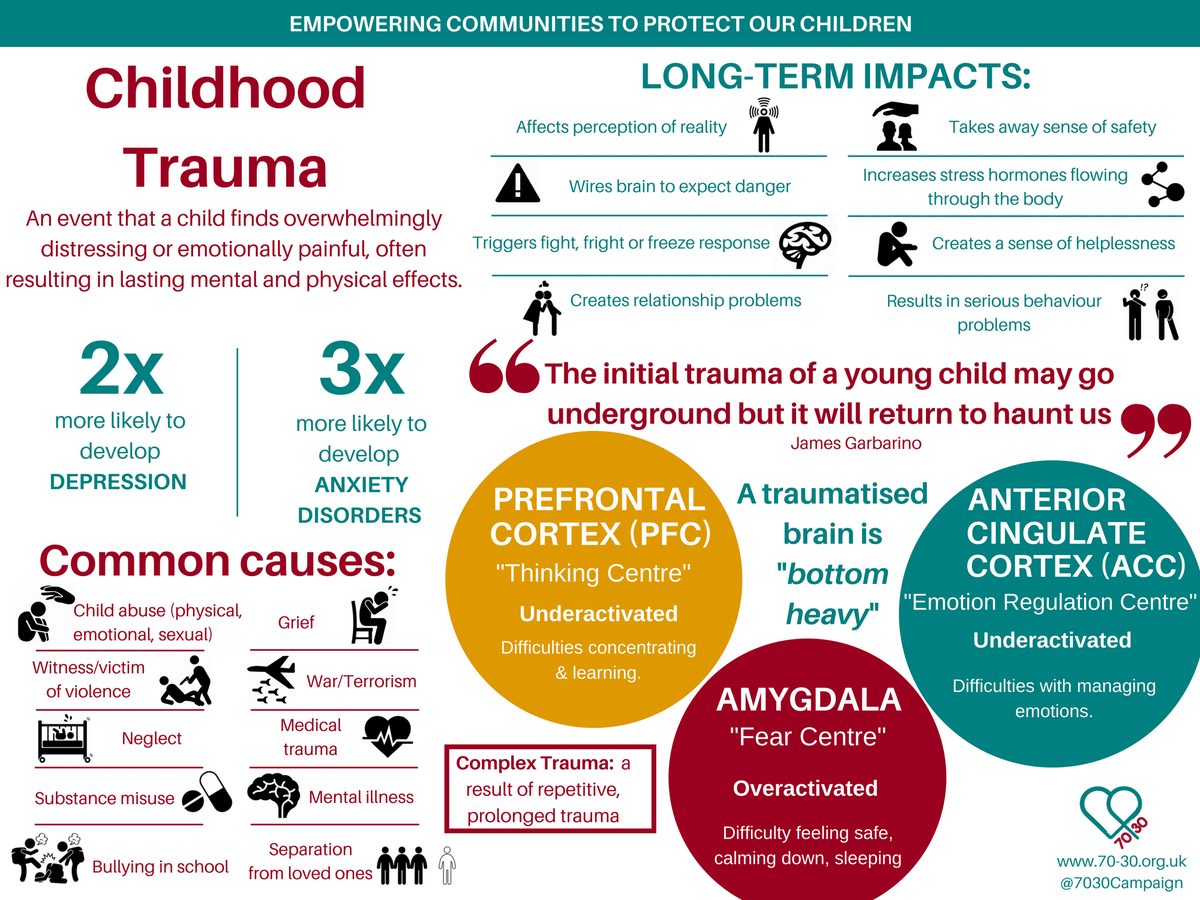
The Kids Are Not All Right: How Trauma Affects Development – Focus …
This graphic illustrates how trauma reshapes neural pathways, much like war’s grip on young minds.
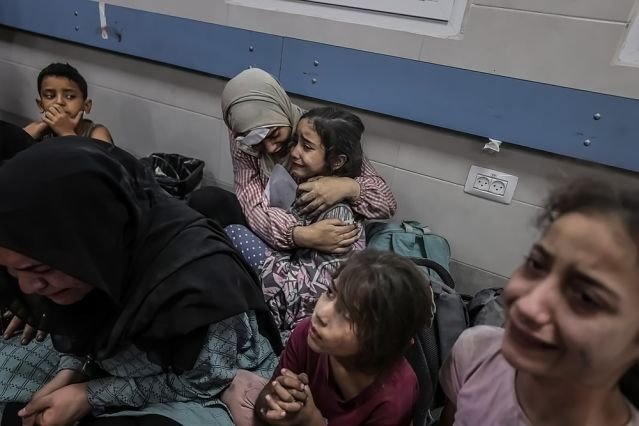
War, Toxic Stress, and the Mental Health of Children | Psychology …
Seeing kids find joy amid ruins reminds us of their inner strength.
War’s shadow on a child’s brain is long, but understanding it empowers us to help. From the science to survivors’ voices, it’s clear: healing starts with compassion. If this resonates, share your thoughts—together, we can light paths out of darkness.