Hey there, reader. Picture this: It’s a crisp evening in Washington, D.C., and I’m standing outside the John F. Kennedy Center for the Performing Arts, that iconic building glowing against the Potomac River. I’ve been there more times than I can count—catching a symphony one night, a Broadway tour the next. But now, in early 2026, things feel different. The air buzzes with controversy, and the latest bombshell? Stephen Schwartz, the genius behind Wicked, has pulled out of his gig there. It’s not just a scheduling conflict; it’s a stand against a name change that’s got everyone talking. As someone who’s followed the arts scene for years, this hits close to home. Let me take you through the whole story, like we’re chatting over coffee, with all the details, drama, and a dash of that human touch we all crave.
The Spark That Ignited the Firestorm
It all kicked off on December 18, 2025, when the Kennedy Center’s board—stacked with President Donald Trump’s allies—voted unanimously to slap Trump’s name onto the venerable institution. Suddenly, it wasn’t just the John F. Kennedy Memorial Center for the Performing Arts anymore. No, it became “The Donald J. Trump and The John F. Kennedy Memorial Center for the Performing Arts.” I remember reading the news and doing a double-take. How does a place built as a living tribute to JFK end up sharing billing with Trump? It’s like renaming Mount Rushmore to include a modern president—bold, divisive, and ripe for backlash.
The move wasn’t out of the blue. Trump had been revamping the center since his second term began, firing the old board, installing loyalists like Richard Grenell as interim president, and even securing $257 million in funding for renovations. He touted it as saving a “bad shape” building, but critics saw it as a power grab. And boy, did the artists respond.
Stephen Schwartz’s Bold Stand
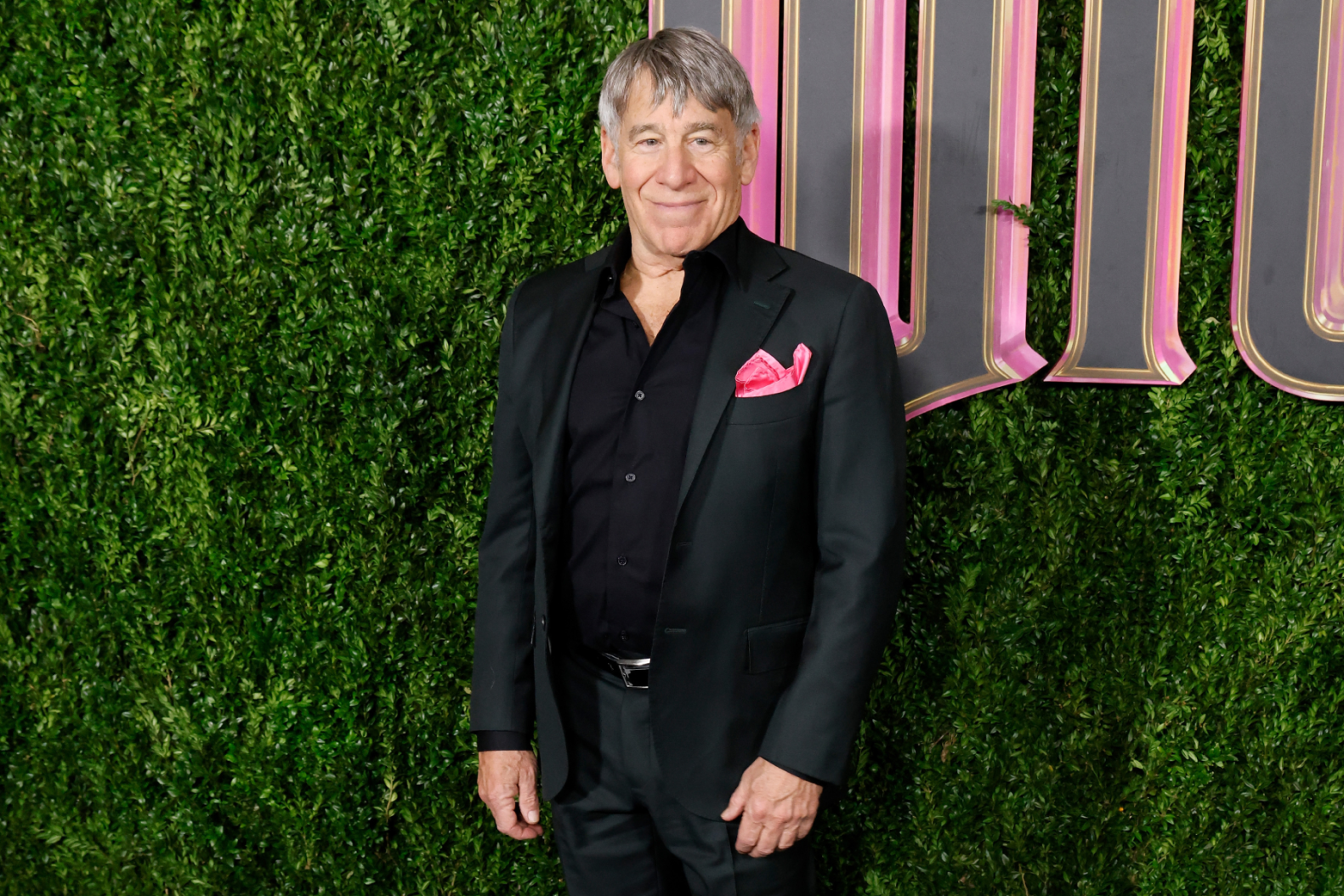
Stephen Schwartz, the Oscar-winning composer of Wicked, Pippin, and Godspell, was set to host the Washington National Opera Gala on May 16, 2026. But on January 2, he announced he was out. “There’s no way I would set foot in it now,” he told Newsday, calling the renamed center an “ideological statement.” I get it—Schwartz has always been about inclusivity in his work. Remember Wicked‘s themes of outsider empowerment? This felt like a betrayal of that spirit.
I’ve met Schwartz once at a theater workshop years ago; he’s as kind as he is talented, sharing stories of crafting songs that move millions. His decision isn’t just professional—it’s personal. The Kennedy Center disputed it, saying he was never confirmed under the new leadership. But Schwartz stood firm, making him the latest in a growing list of cancellations that started right after the name change.
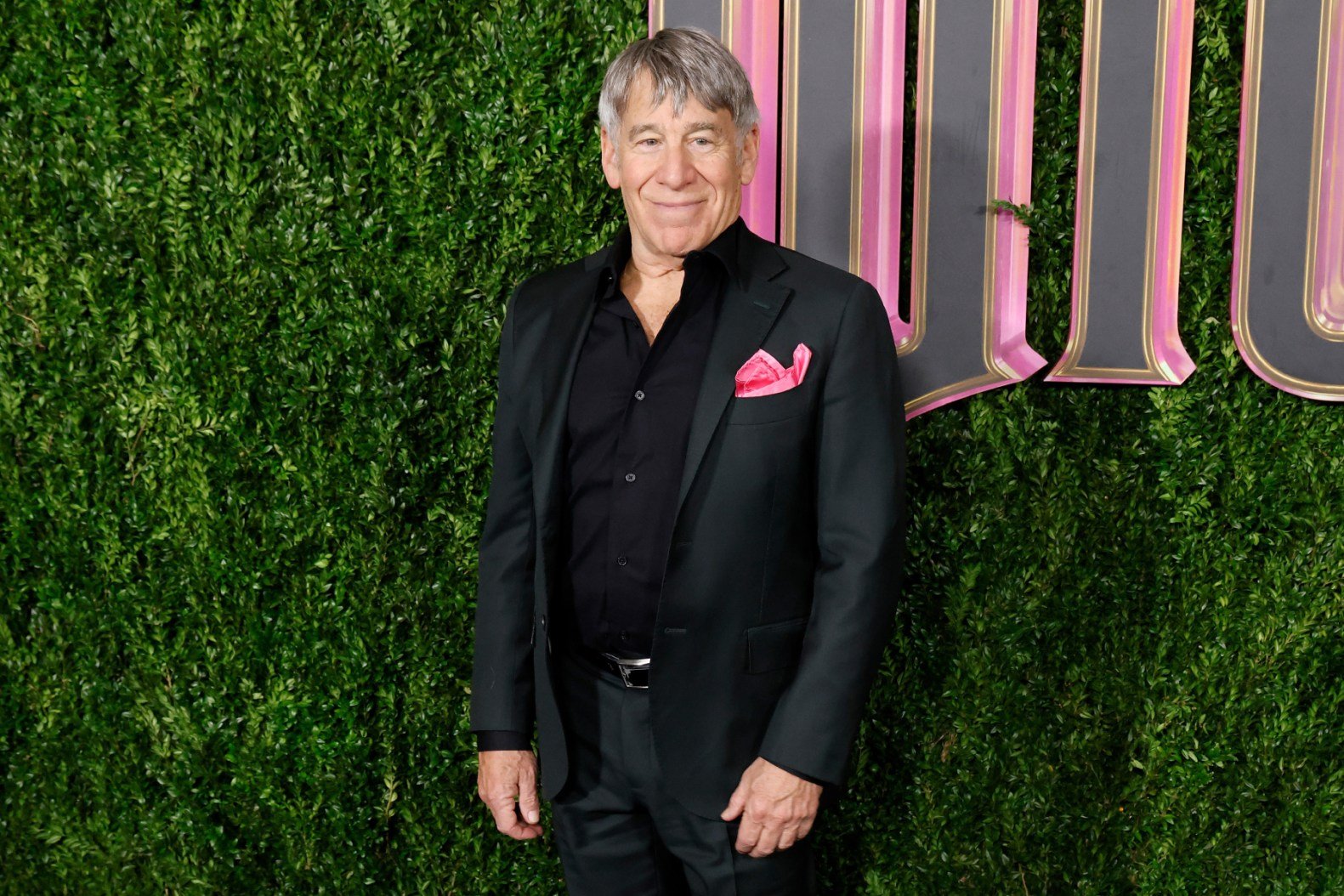
Stephen Schwartz, ‘Wicked’ Composer, Cancels Kennedy Center Appearance
A Wave of Artist Exits
Schwartz isn’t alone in this exodus. Artists from jazz to dance have bailed, turning the center into a hot potato. It’s like a domino effect, each cancellation amplifying the protest.
First up was jazz vibraphonist Chuck Redd, who axed his long-running Christmas Eve concert upon seeing Trump’s name go up on the building. Then The Cookers, a veteran jazz supergroup, ditched their New Year’s Eve shows with just days’ notice, citing the quick-turning events.
Dance company Doug Varone and Dancers followed suit, canceling April performances because they couldn’t ask audiences to enter “this once great institution.” Comedian Issa Rae, musician Peter Wolf, and even Lin-Manuel Miranda have joined the fray, pulling out of various 2026 events. The Asian AF comedy troupe also backed out, adding to the comedy of errors—or tragedy, depending on your view.
Timeline of the Controversy
To make sense of this whirlwind, let’s break it down chronologically. It’s easier to see how one vote snowballed into a cultural clash.
- February 2025: Trump installs a new board, elects himself chair, and appoints Richard Grenell as president.
- December 18, 2025: Board votes to add Trump’s name; announcement follows quickly.
- December 19, 2025: Signs with “Trump” start appearing on the building.
- December 24-31, 2025: Initial cancellations from Redd, The Cookers, and others.
- January 2, 2026: Schwartz announces his withdrawal.
This timeline shows the rapid fallout—barely two weeks from vote to mass exits.
Kennedy Center starts adding Trump’s name | AP News
Backlash from the Kennedy Family and Lawmakers
The Kennedy family didn’t take this lying down. JFK’s grandson, Jack Schlossberg, blasted the move on social media, claiming the vote wasn’t unanimous and mics were muted. Joe Kennedy III echoed that, calling it a “living memorial” that can’t be renamed without Congress. It’s heartbreaking—imagine your family’s legacy co-opted like that.
Lawmakers jumped in too. Rep. Joyce Beatty sued to remove Trump’s name, arguing the board overstepped without congressional approval. She was muted during the vote, which smacks of authoritarian tactics. Protests popped up outside the center, with signs and even a pink frog costume for flair. I chuckle at the absurdity, but it’s serious—arts should unite, not divide.
The Center’s Response and Legal Threats
Kennedy Center brass pushed back hard. Interim President Grenell called cancellations “intolerant” and threatened lawsuits for damages, like $1 million from Redd. They dismissed Schwartz’s claim, saying no contract existed under new leadership. It’s a messy he-said-she-said, but the damage is done—ticket sales are tanking, and Honors viewership dropped 35%.
Spokesperson Roma Daravi labeled artists “selfish,” arguing they fail their duty to perform for all. But is that fair? Artists have always boycotted for principles—think the 1980s anti-apartheid stands.
Pros and Cons of the Name Change
Let’s weigh this out fairly. Every decision has two sides, right?
Pros:
- Funding boost: Trump’s $257M could modernize the aging venue.
- Visibility: Attaching a big name might draw new crowds.
- “Golden Age” vision: Trump promises non-“woke” programming, appealing to some audiences.
Cons:
- Legacy dilution: Overshadows JFK’s memorial status.
- Artist alienation: Leading to cancellations and lost revenue.
- Political polarization: Turns a neutral arts hub into an ideological battleground.
Personally, the cons outweigh the pros—arts thrive on freedom, not forced branding.
Comparison to Other Political Renamings
This isn’t unprecedented. Think Reagan National Airport—renamed in 1998 amid debate. Or the push to rename military bases away from Confederate figures. But adding a living president’s name to a memorial? That’s rare and contentious.
Unlike those, this feels rushed, with bylaw changes limiting votes to Trump appointees. It’s more like authoritarian renamings in other countries, which raises red flags.
| Aspect | Kennedy Center Change | Reagan Airport Rename |
|---|---|---|
| Year | 2025 | 1998 |
| Process | Board vote, no Congress | Congressional act |
| Backlash | Artist cancellations | Public petitions |
| Outcome | Ongoing lawsuits | Accepted over time |
This table highlights the differences—Congressional involvement makes a big difference in legitimacy.
What Is the Kennedy Center Anyway?
For the uninitiated, the Kennedy Center is D.C.’s premier performing arts venue, opened in 1971 as a tribute to JFK. It hosts operas, ballets, concerts—you name it. I’ve seen everything from Hamilton tours to free Millennium Stage shows. It’s a cultural heartbeat, funded partly by taxpayers, making this rename feel like a public slap.
Where to Get Updates on the Kennedy Center
Want to stay in the loop? Check the official site (now rebranded, ironically) at kennedy-center.org, though for unbiased news, head to NPR or BBC. Follow artists on social media for real-time announcements. And if you’re planning a visit, verify events—cancellations are fluid.
Best Tools for Following Arts News and Controversies
Tracking this stuff? Use apps like Feedly for RSS feeds from Variety or Rolling Stone. For deeper dives, subscribe to arts newsletters from The New York Times. Or join forums like Reddit’s r/theatre for community takes. These tools keep you informed without the noise.
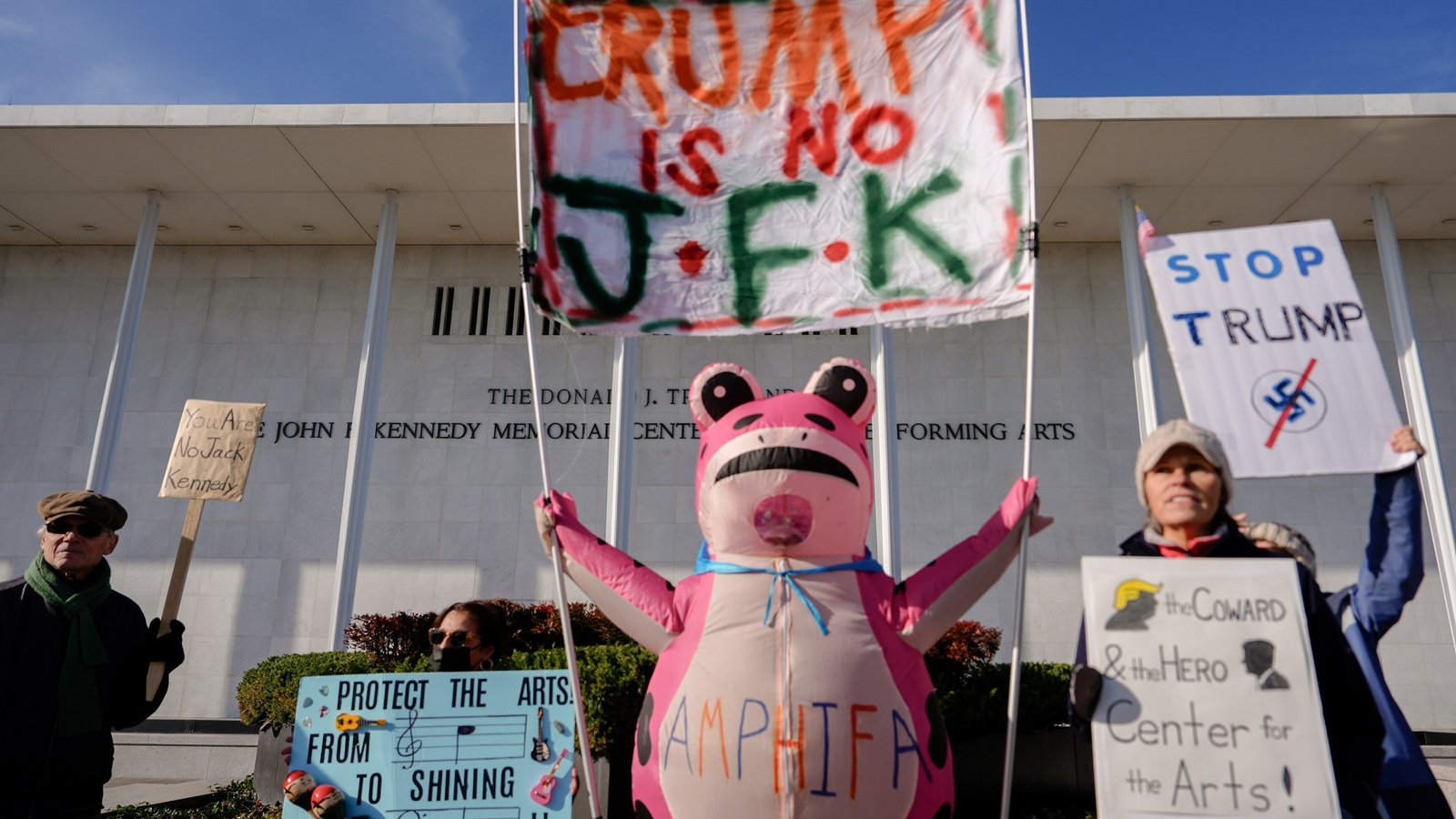
Kennedy Center renaming prompts a new round of cancellations | FOX 2
Implications for the Arts World
This saga raises big questions: Can arts stay apolitical? In my experience, no—they reflect society. Boycotts like this echo the 2017 Kennedy Center Honors, where some skipped due to Trump. It might chill programming, favoring “safe” acts.
On the flip side, it spotlights artists’ power. Schwartz’s move inspires—remember when I boycotted a local venue over poor worker treatment? Small acts add up.
Humor me: If Trump renames more, will we get Trump Lincoln Memorial? Slippery slope, folks.
People Also Ask
Why did Stephen Schwartz cancel his Kennedy Center gig?
Schwartz pulled out because the name change made the center an “ideological statement” he couldn’t support. He was to host an opera gala but said no way after Trump’s name was added.
What is the new name of the Kennedy Center?
It’s now “The Donald J. Trump and The John F. Kennedy Memorial Center for the Performing Arts.” The board voted for it in December 2025.
Which artists have canceled at the Kennedy Center?
Besides Schwartz, The Cookers, Doug Varone and Dancers, Chuck Redd, Issa Rae, Peter Wolf, Lin-Manuel Miranda, and Asian AF have canceled.
Is the Kennedy Center name change legal?
Debated—lawsuits claim it needs Congress, as the original law named it for JFK. Board changed bylaws to limit voting.
How did Trump rename the Kennedy Center?
He appointed a loyal board, who voted unanimously after bylaw tweaks. Trump called in during the meeting.
FAQ
What prompted the wave of cancellations at the Kennedy Center?
The addition of Trump’s name turned the venue into a political symbol, prompting artists to withdraw in protest. It’s about preserving artistic integrity.
How has the Kennedy family reacted to the name change?
They’ve criticized it sharply, with members like Joe Kennedy III saying it violates the memorial’s intent. Social media posts highlight their dismay.
Are there any ongoing legal challenges to the rename?
Yes, Rep. Joyce Beatty filed a lawsuit arguing the board lacked authority without Congress. More could follow.
What impact has this had on ticket sales and programming?
Sales have dropped, with gaps in holiday shows and low Honors ratings. It might lead to more conservative bookings.
How can I support artists affected by this?
Attend alternative venues, buy their merch, or donate to arts orgs like the Actors Fund. Follow them on platforms like Instagram for ways to help.
Wrapping up, this Kennedy Center drama is more than a name change—it’s a mirror to our divided times. Schwartz’s cancellation reminds us arts are about heart, not headlines. I’ve shared my take, drawing from years loving theater and D.C. culture. What do you think? Drop a comment below. For more on arts controversies, check our internal article on boycotts. Stay engaged, folks— the show must go on, but on whose terms?