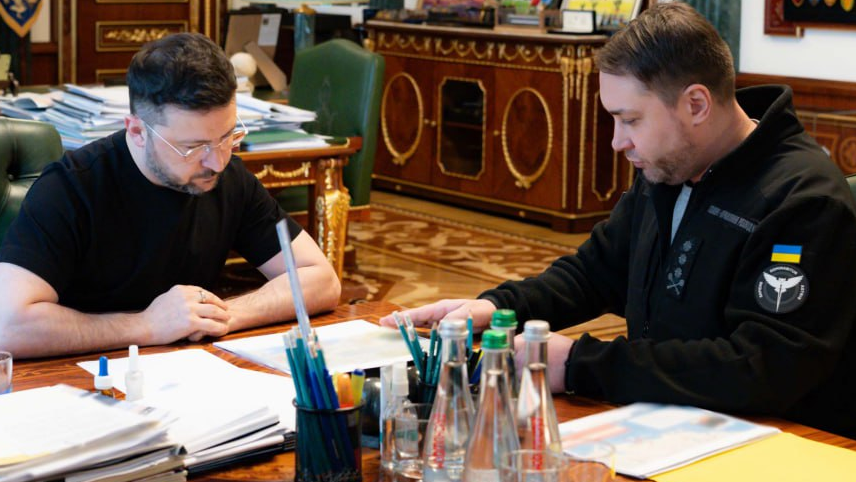
In a move that has sent ripples through Ukrainian politics, President Volodymyr Zelensky announced on January 2, 2026, the appointment of Lieutenant General Kyrylo Budanov, head of the Main Intelligence Directorate (HUR), as the new chief of his presidential office. This decision comes just over a month after the dramatic resignation of Andriy Yermak, Zelensky’s longtime confidant, following a high-profile corruption investigation that rocked the administration.

Zelensky shared the news on social media, posting a photo from his meeting with Budanov and emphasizing the need for a stronger focus on security and diplomacy. “Kyrylo has the specialist experience and strength to deliver results,” the president wrote. Budanov, in turn, called it an “honor and responsibility” during this critical period.
This shake-up signals a pivot toward militarizing the heart of Ukraine’s executive branch at a time when the country is navigating intense battlefield pressures and delicate peace negotiations.
The Corruption Scandal That Toppled Andriy Yermak
To understand Budanov’s appointment, we have to go back to late November 2025. Andriy Yermak, often described as Ukraine’s “gray cardinal” for his immense behind-the-scenes influence, resigned on November 28 after anti-corruption investigators raided his Kyiv home.
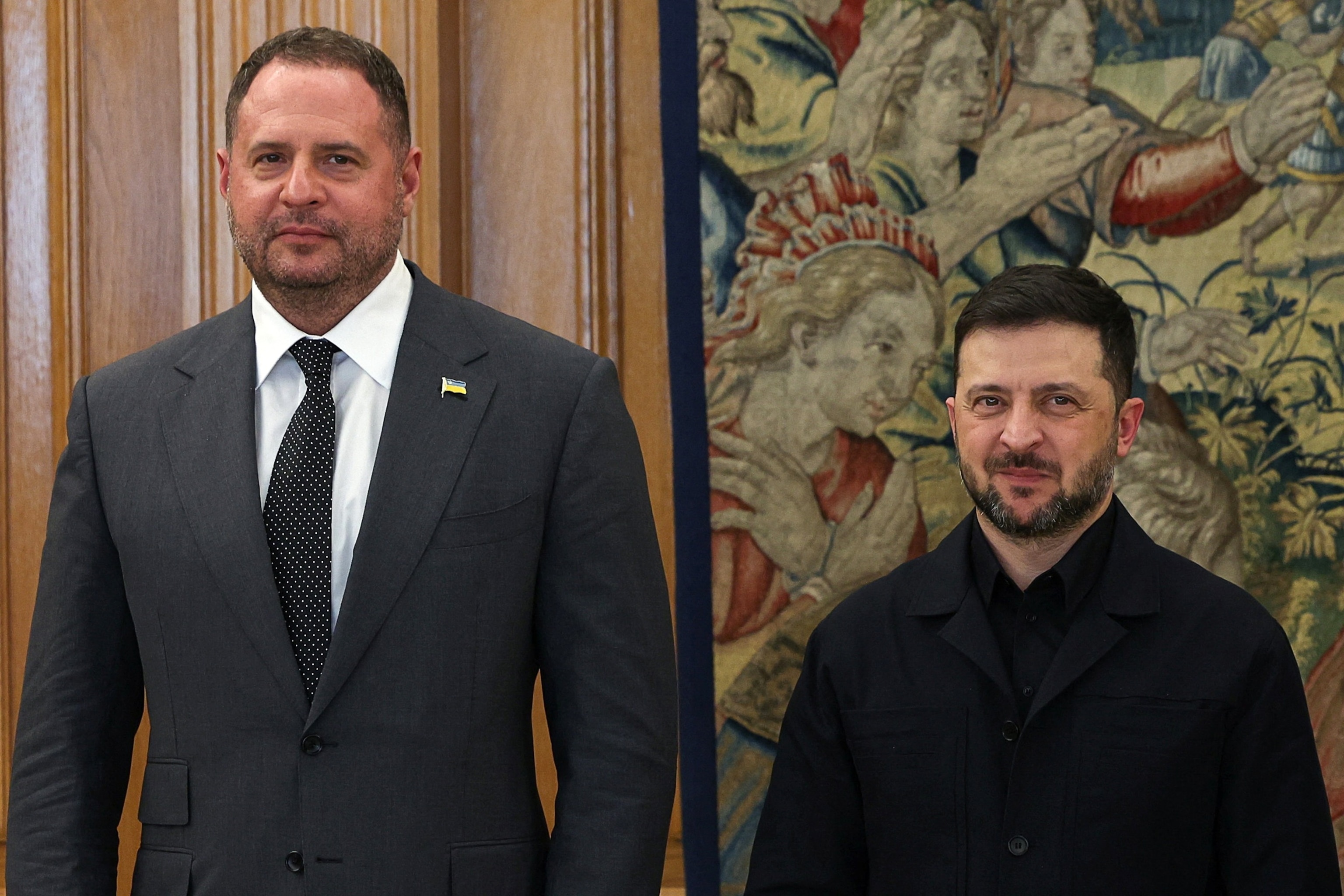
Zelenskyy chief of staff resigns after anti-corruption raids – ABC …
The raid was part of a broader probe into an alleged $100 million kickback scheme at Energoatom, Ukraine’s state nuclear power operator. While Yermak himself was not formally charged, the scandal implicated figures close to Zelensky’s inner circle, including longtime associates. Public outrage boiled over, with many seeing Yermak’s departure as overdue—he had long been criticized for consolidating too much power.
I remember following Ukraine’s politics closely since the full-scale invasion began in 2022. Yermak was everywhere: leading peace talks, shaping foreign policy, and gatekeeping access to the president. His exit felt like the end of an era, but it also left a vacuum. For weeks, speculation swirled about who would fill the role, with names like digital transformation minister Mykhailo Fedorov floating around.
The scandal wasn’t just embarrassing—it weakened Zelensky’s position domestically and internationally, especially as Russia continued its advances.
Who Is Kyrylo Budanov, Ukraine’s New Power Broker?
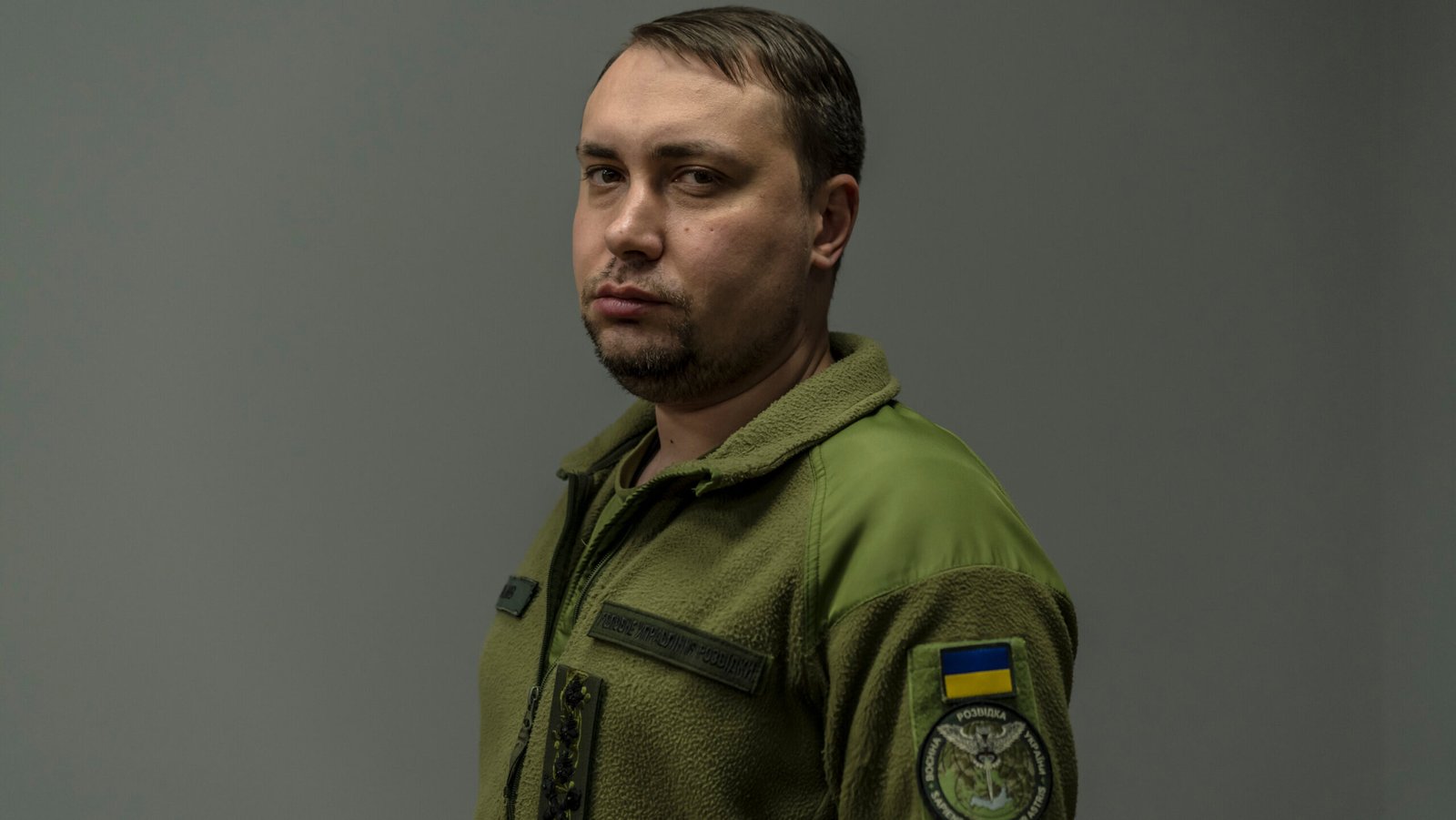
At 39, Kyrylo Budanov is one of Ukraine’s most recognizable military figures. He’s led the HUR since 2020, earning a reputation for bold operations against Russian targets.
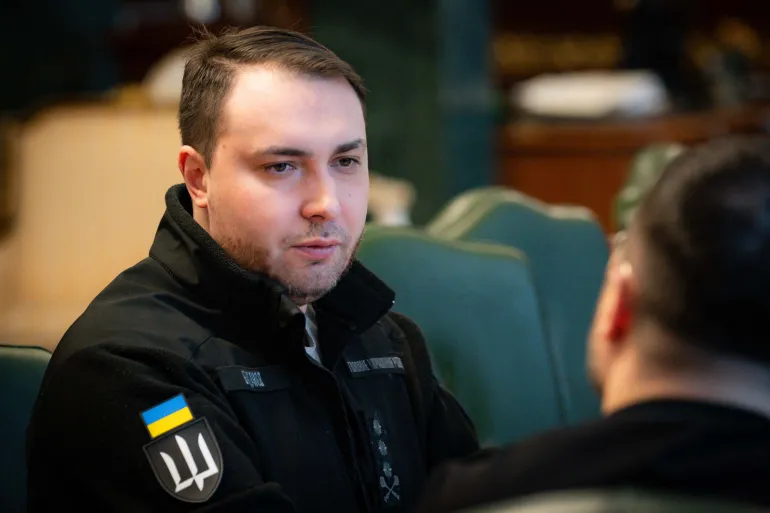
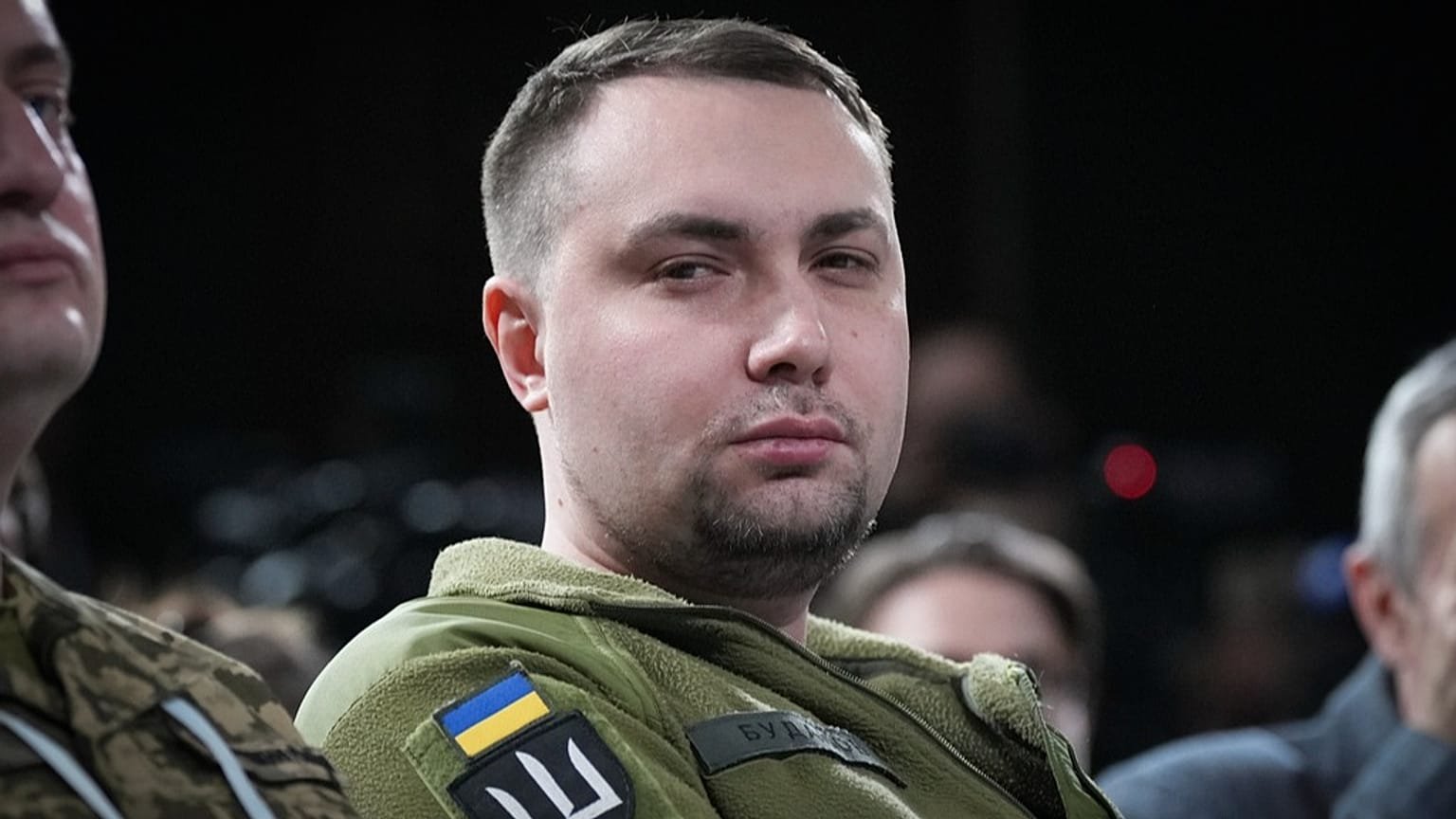
Budanov has been credited with orchestrating high-profile strikes, from explosions on the Crimean Bridge to drone attacks deep inside Russia. He’s a decorated veteran, wounded multiple times, and his calm, steely demeanor has made him a cult hero among many Ukrainians. Polls late last year even showed him outpolling Zelensky in hypothetical matchups.
Interestingly, reports suggest Yermak tried multiple times in 2025 to oust Budanov from his intelligence post, viewing him as a potential rival. Now, Budanov steps into the political spotlight, replacing the very man who reportedly wanted him gone. There’s a bit of poetic justice there, isn’t there?
To fill Budanov’s old role, Zelensky appointed Oleh Ivashchenko, the former head of foreign intelligence—a seasoned professional with prior experience in military intel.
Why This Appointment Matters Now
Ukraine is at a crossroads. Nearly four years into Russia’s full-scale war, the front lines are grueling, energy infrastructure is battered, and peace talks—mediated in part by the U.S.—are gaining momentum.
Zelensky stressed that the presidential office needs to prioritize “security issues, the development of defense forces, and diplomatic negotiations.” Bringing in Budanov, a battlefield-savvy spymaster, puts the administration on a war footing.
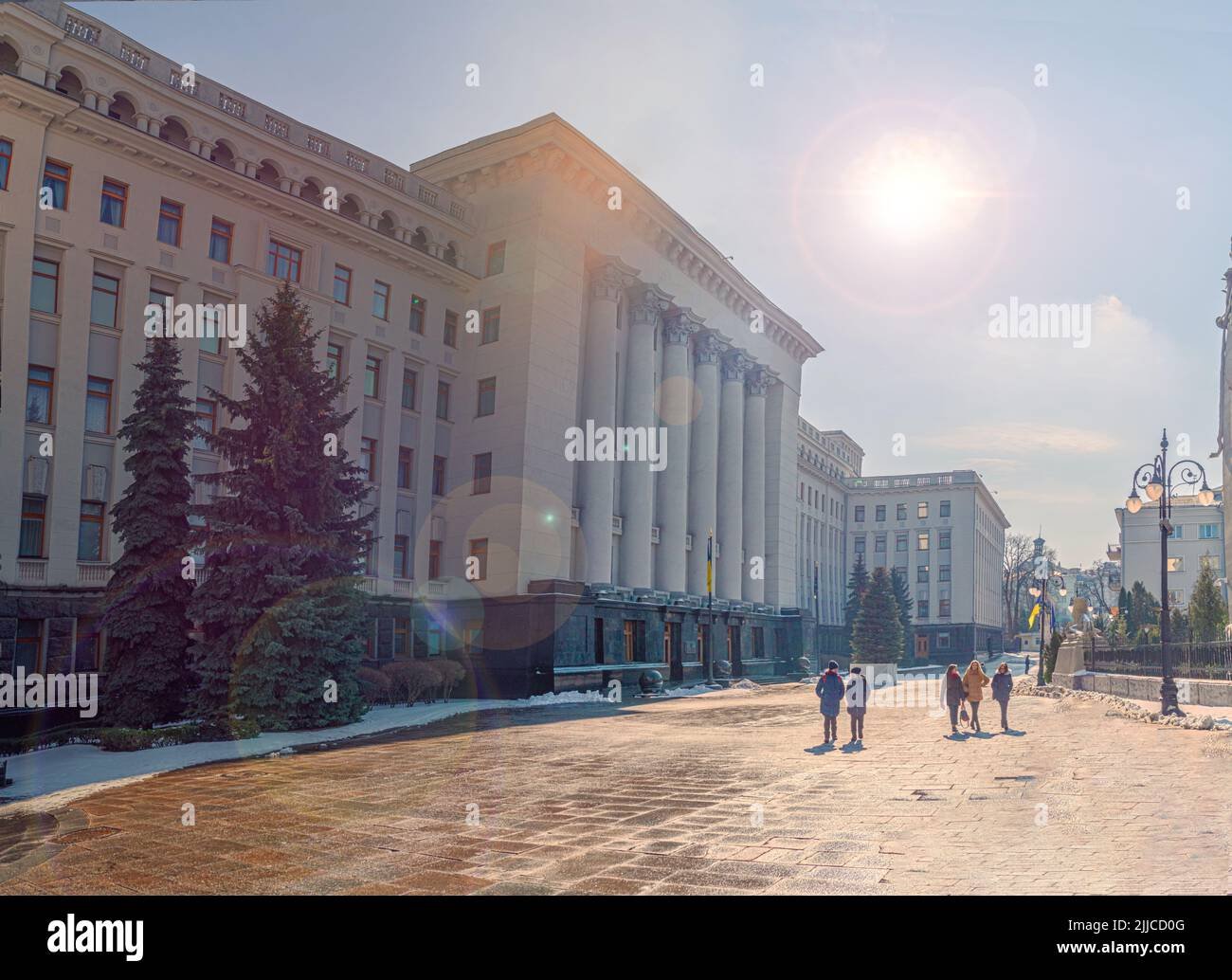
The Office of the President of Ukraine on Bankova street. Kyiv …
The Office of the President, located on Bankova Street in Kyiv, has historically been a hub of immense power—lobbying appointments, influencing business, and steering policy. Budanov’s military background could shift that focus away from domestic intrigue toward national security.
This isn’t the only change. Zelensky has signaled broader reshuffles, including proposing Mykhailo Fedorov for defense minister and other adjustments in energy and border services. It’s a substantial overhaul aimed at resilience.
Comparing Yermak and Budanov: A Shift in Style?
Let’s break down the differences between the old and new chiefs.
| Aspect | Andriy Yermak | Kyrylo Budanov |
|---|---|---|
| Background | Civilian, film producer, lawyer | Military intelligence officer, special forces veteran |
| Public Image | Divisive “power broker,” criticized for overreach | Popular hero, respected for anti-Russia operations |
| Focus | Diplomacy, domestic politics, negotiations | Security, intelligence, defense strategy |
| Age | 54 | 39 |
| Relationship to Zelensky | Longtime confidant from pre-presidency days | Professional, appointed during war |
| Controversies | Linked to corruption probes (no charges) | None major; seen as clean and effective |
Yermak was the ultimate insider, a civilian who amassed influence. Budanov represents a militarization of the role—perhaps a necessity in wartime, but it raises questions about civilian control.
Pros and Cons of Budanov’s Appointment
Pros:
- Boosts public morale with a trusted, popular figure.
- Strengthens focus on security and intelligence amid ongoing war.
- Signals clean break from corruption-tainted era.
- Enhances Ukraine’s hand in peace talks with battlefield expertise.
Cons:
- Moves a key intelligence leader from operational role.
- Potential for military overreach in politics.
- Budanov lacks experience in domestic administration.
- Could sideline civilian voices in decision-making.
It’s a high-stakes gamble. If Budanov delivers on defense and diplomacy, it could reinvigorate Zelensky’s team. But transitioning from shadows to the spotlight isn’t easy.
Broader Implications for Ukraine’s Leadership and War Effort
This appointment comes amid growing fatigue. Ukrainians have endured blackouts, losses on the front, and economic strain. Corruption scandals erode trust—I’ve spoken to friends in Kyiv who feel the pain deeply, wondering if leaders are as committed as soldiers.

2025 anti-corruption protests in Ukraine – Wikipedia
Protests in 2025 over attempts to curb anti-corruption bodies showed people’s limits. Budanov’s clean image might help restore faith.
On the international front, with U.S.-backed talks progressing, having a spymaster at the table could harden Ukraine’s position—or make compromises tougher.
Zelensky’s broader reshuffle suggests he’s listening to criticism, decentralizing power concentrated under Yermak.
People Also Ask
Here are some common questions surfacing around this topic, based on recent searches:
- Who is the current head of Ukraine’s presidential office? As of January 2026, it’s Kyrylo Budanov, appointed on January 2.
- Why did Andriy Yermak resign? He stepped down amid a corruption investigation involving raids on his home, linked to a $100 million scheme at Energoatom.
- What is Kyrylo Budanov known for? Leading daring intelligence operations against Russia, including strikes on military targets and infrastructure.
- Will this affect Ukraine’s peace talks? Likely yes—Budanov’s security focus could prioritize military strength in negotiations.
- Who replaced Budanov as intelligence chief? Oleh Ivashchenko, previously head of foreign intelligence.
FAQ
Is Kyrylo Budanov more powerful than Zelensky? No, he’s the chief of staff, advising and implementing policy, but Zelensky remains president with ultimate authority.
Was the corruption scandal proven against Yermak? No formal charges were filed against him, but the raid and timing led to his resignation.
How popular is Budanov in Ukraine? Very—polls show high trust, often higher than politicians, due to his war record.
What other changes did Zelensky announce? Proposals for new defense minister (Mykhailo Fedorov), energy shifts, and border service updates.
Could this lead to elections? Unlikely soon, as martial law suspends them, but pressure for accountability is growing.
In the end, this feels like Zelensky hitting reset. After years of relying on close allies, he’s turning to a war hero. Whether it stabilizes his leadership or creates new tensions—we’ll see. But in a country fighting for survival, bold moves like this remind us how fluid and high-stakes Ukrainian politics remain. It’s exhausting, yet inspiring, to watch a nation adapt under fire.